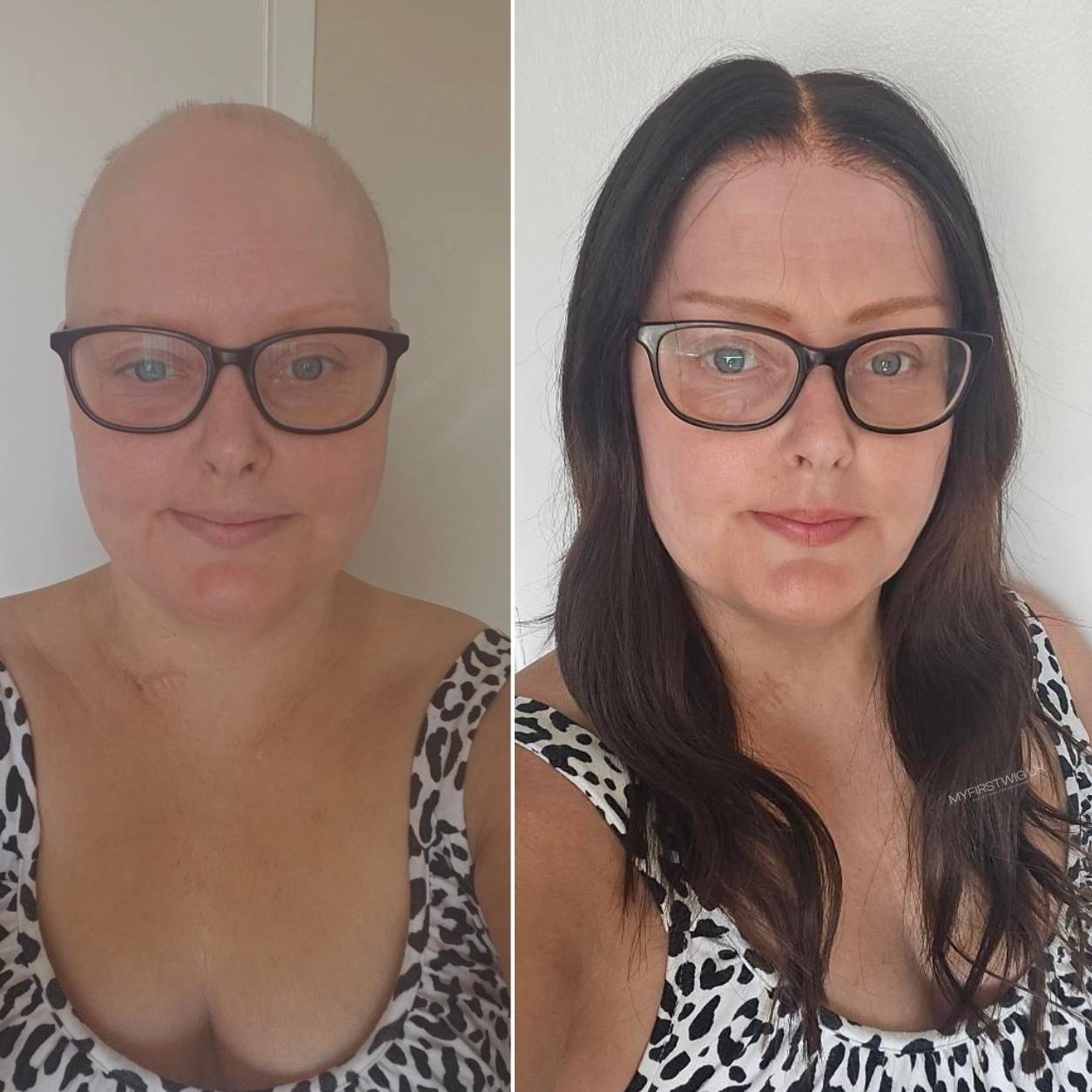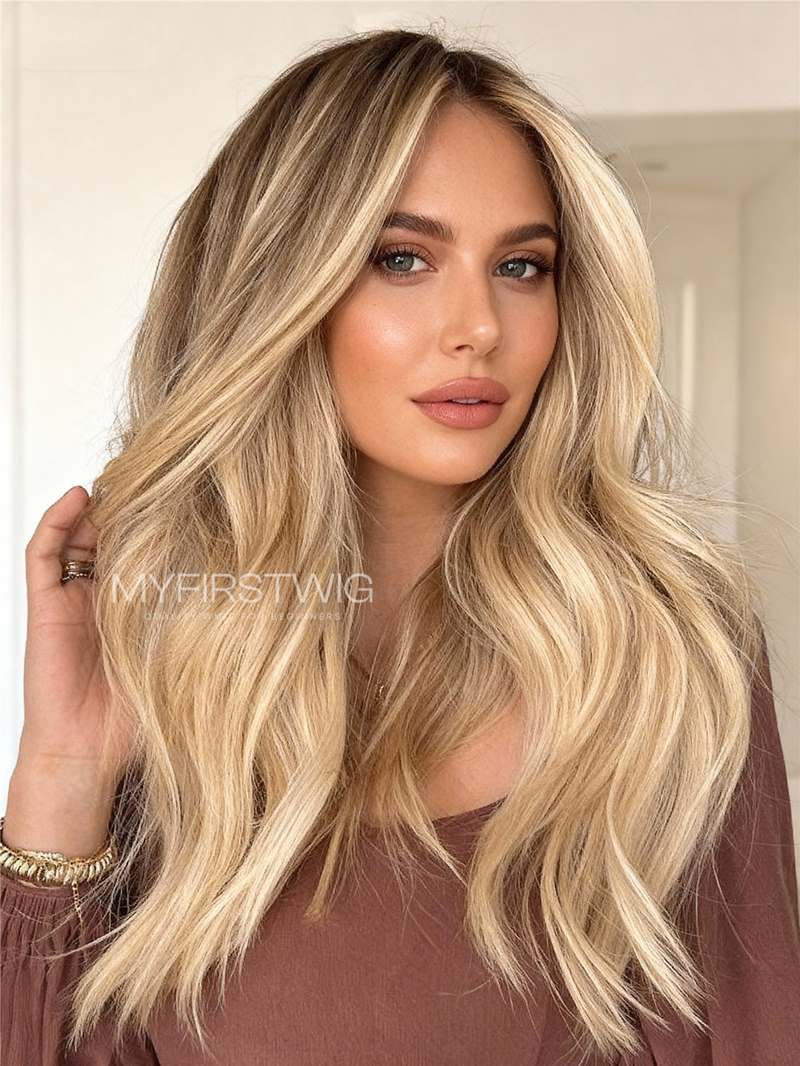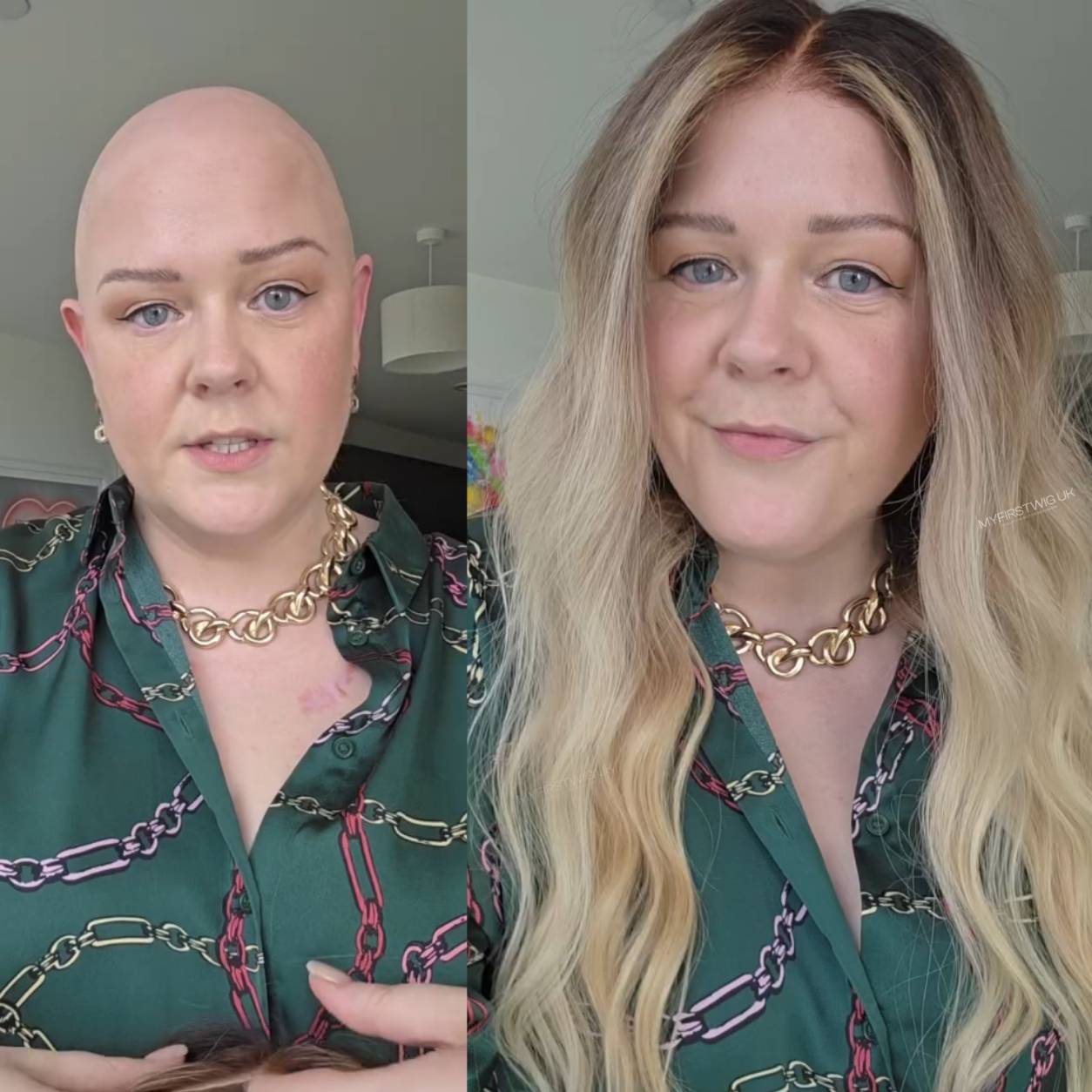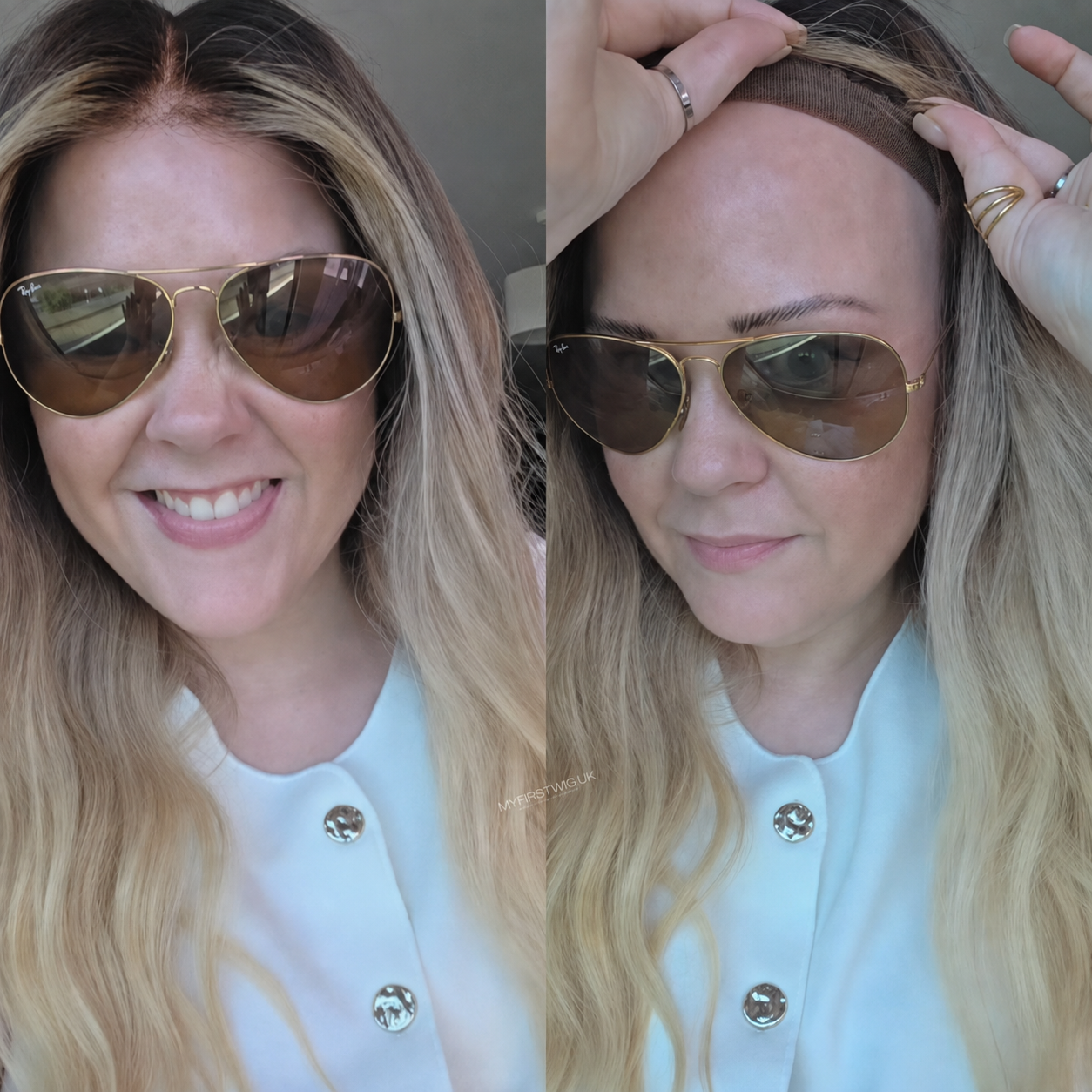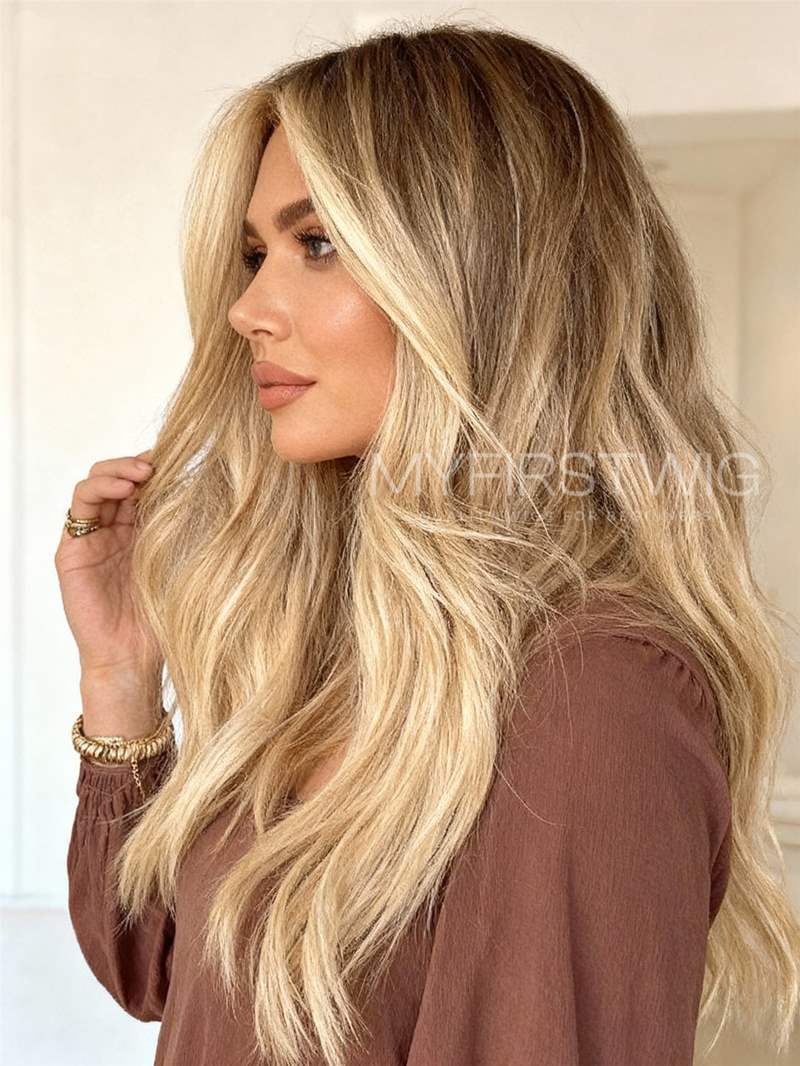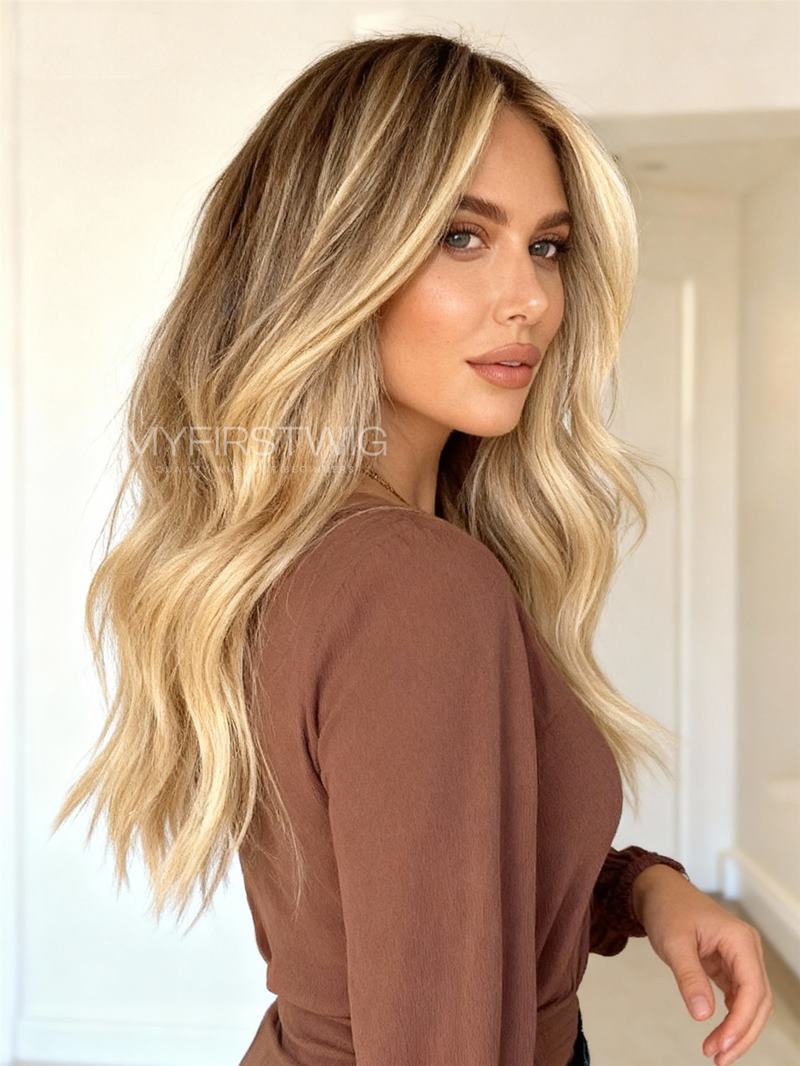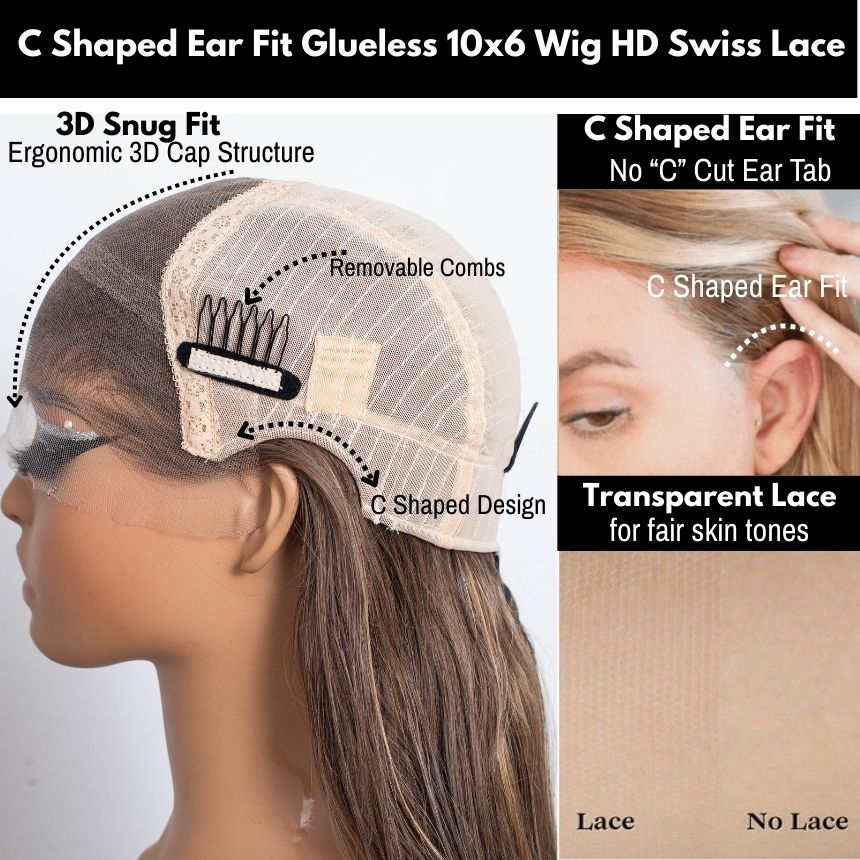
Not all hair loss looks the same, so not all hair solutions work the same way.
If your thinning is mainly at the crown or parting, a topper is often a natural place to start. If your hair loss is more diffuse or affects the front hairline, you may need a larger coverage piece or a full wig instead.
This quick guide will help you choose the best option based on where your hair is thinning and how much coverage you need.
Crown thinning: a topper is often the best place to start
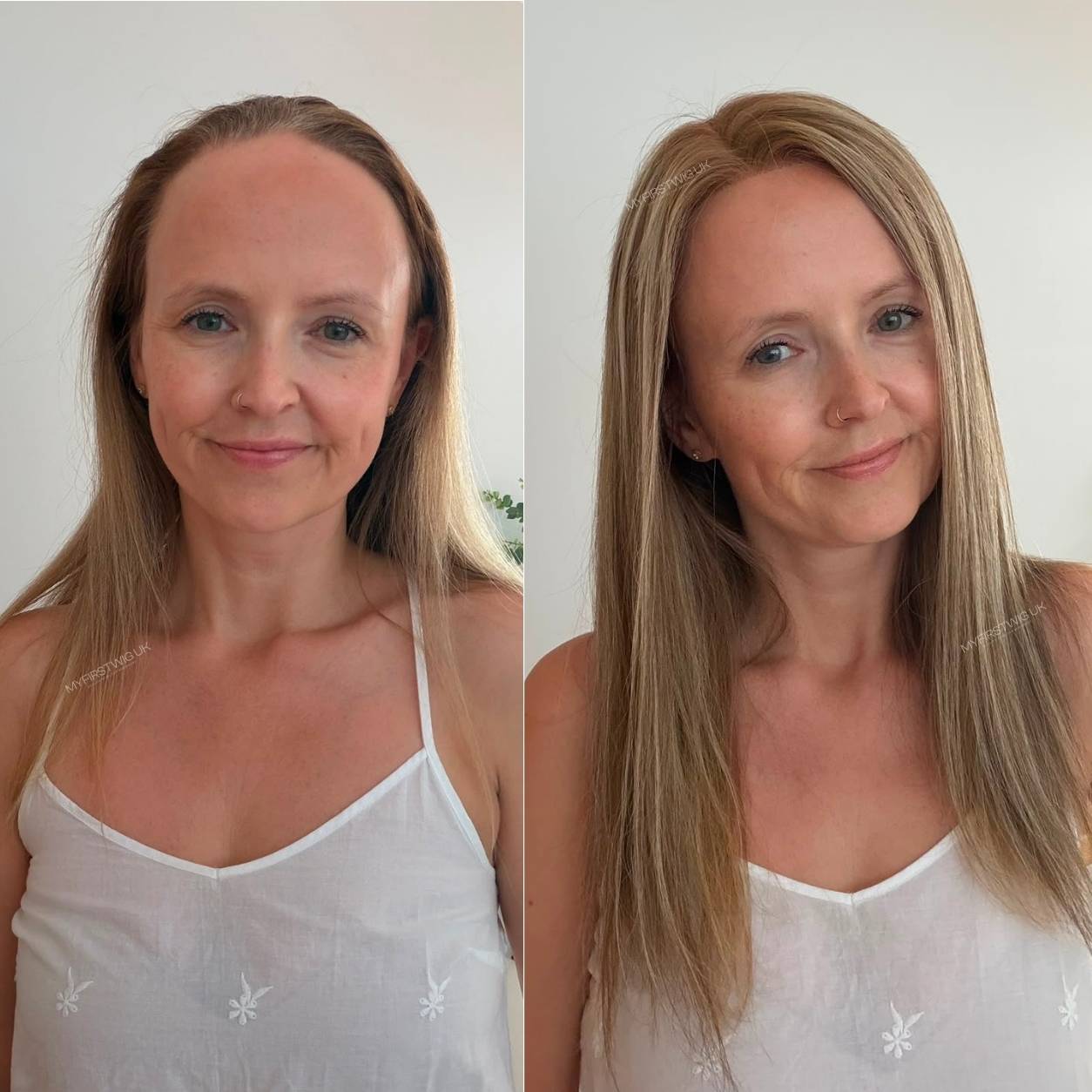
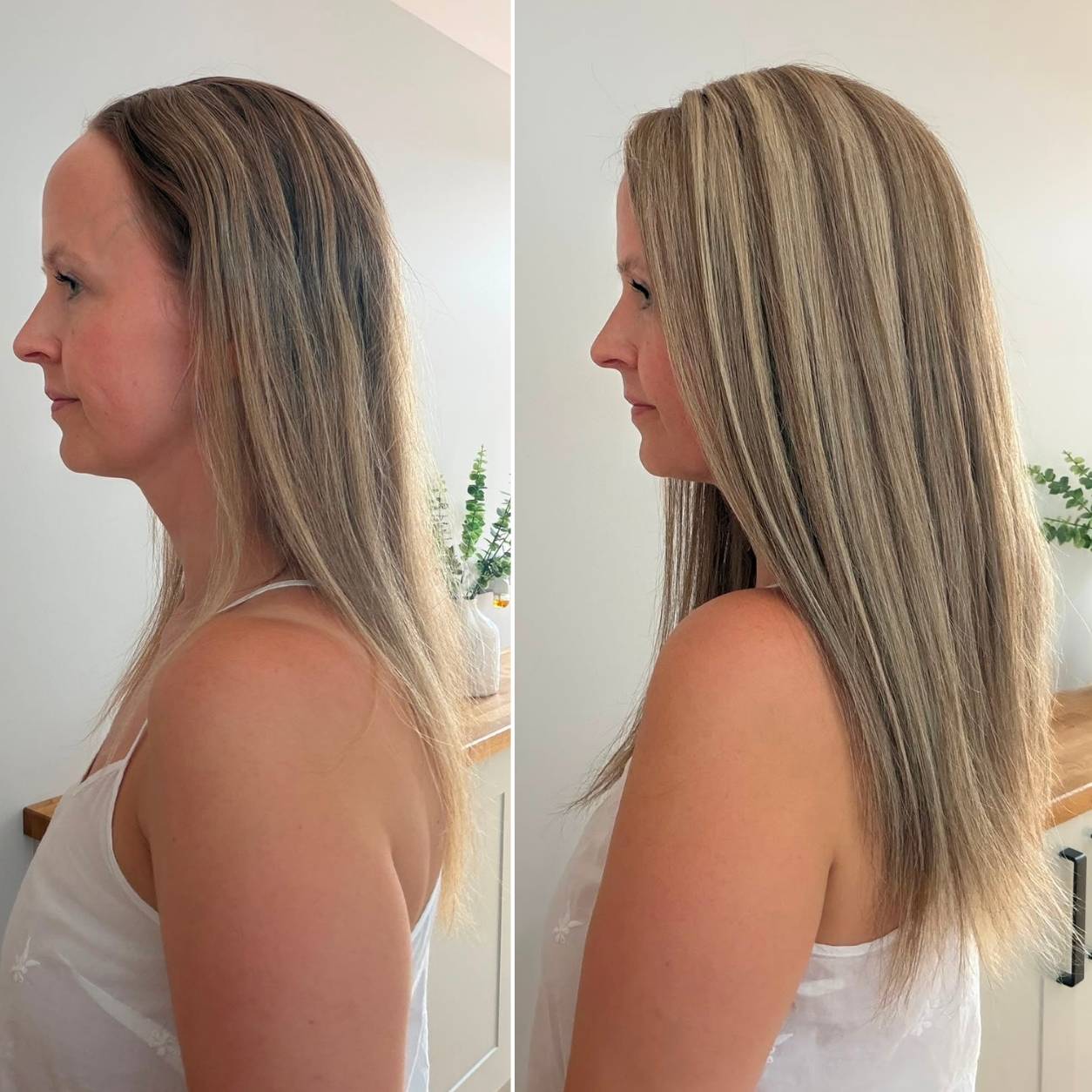
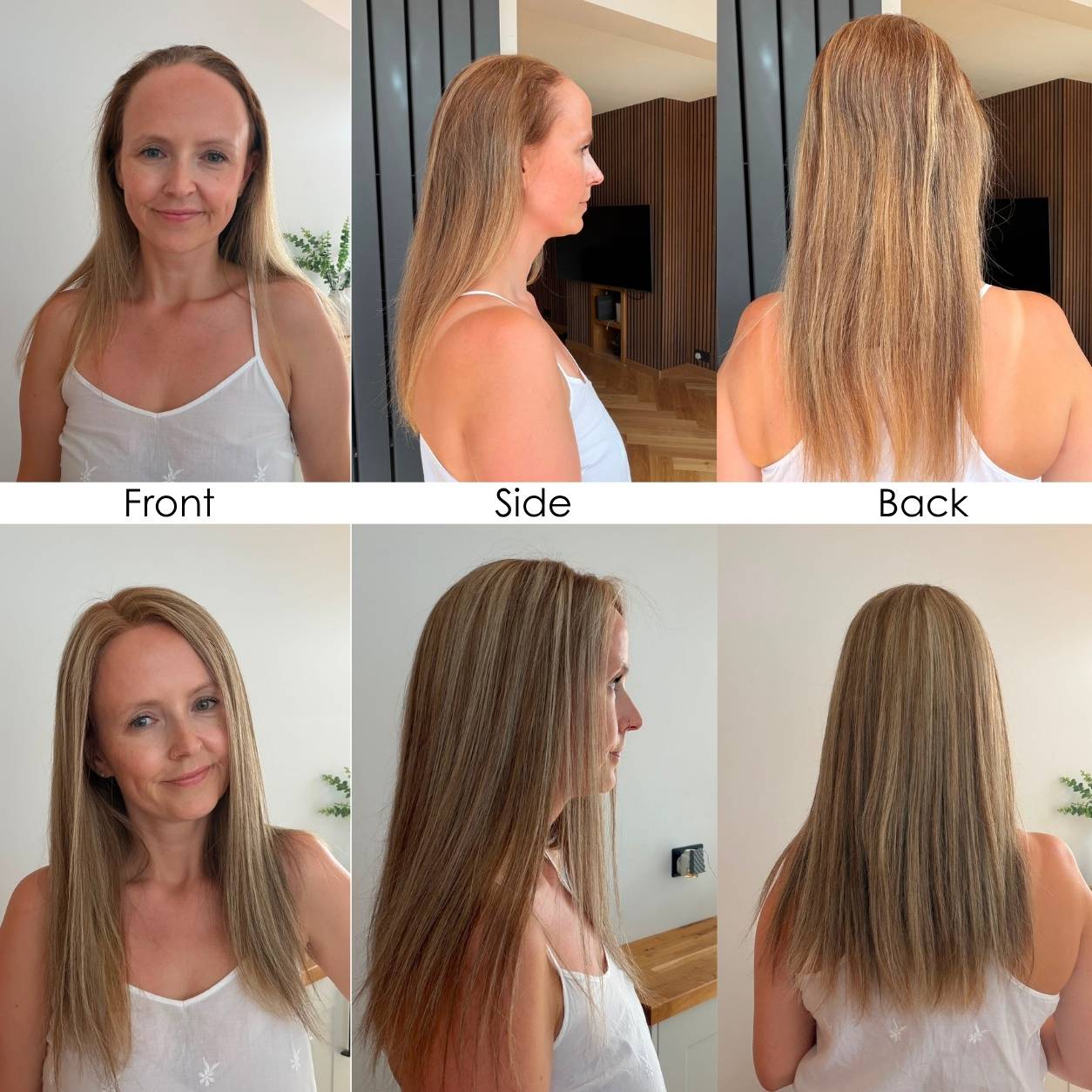
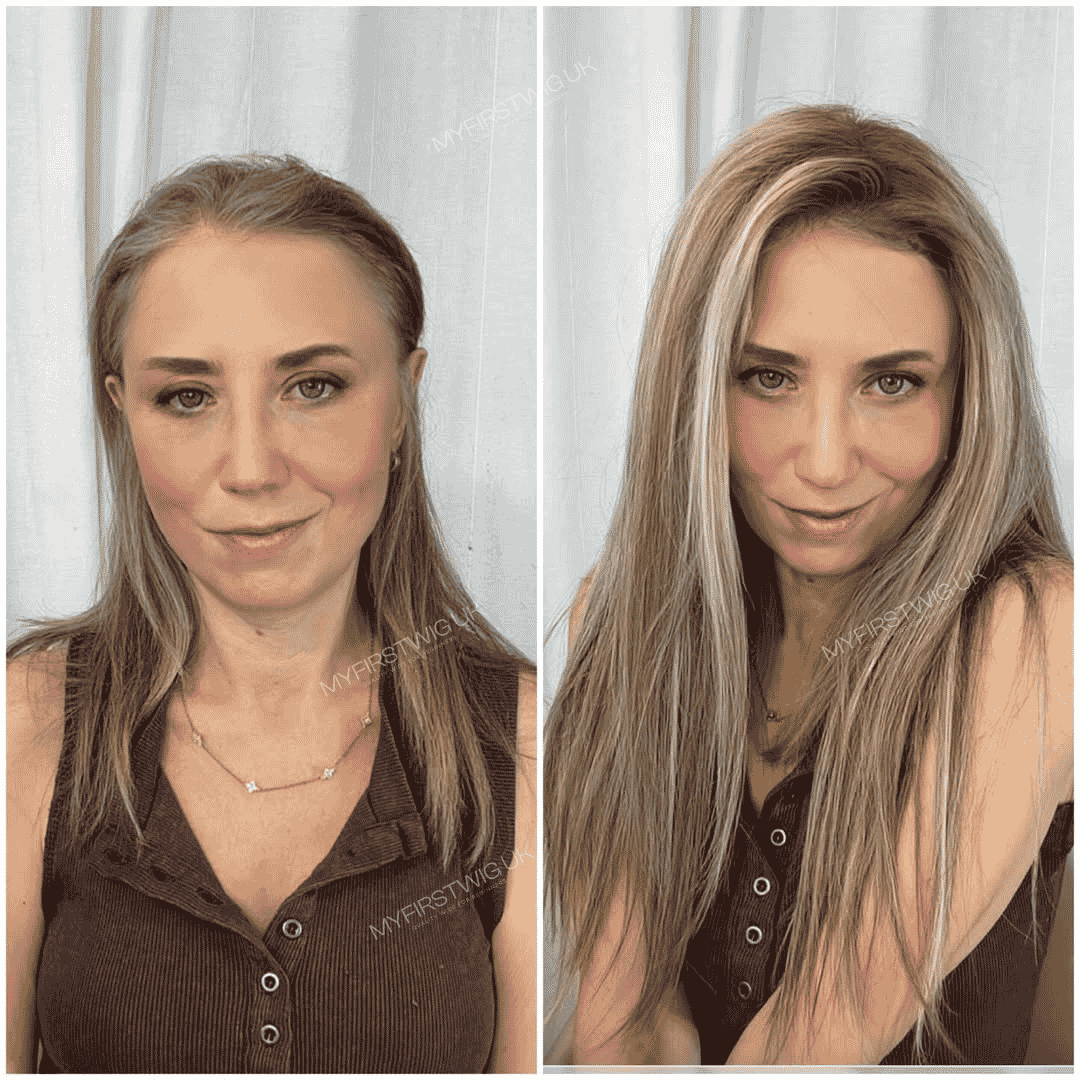
If your hair is thinning mainly at the crown, a topper is usually one of the easiest and most natural-looking solutions.
It adds volume exactly where you need it without full-head coverage. This works especially well when you still have enough of your own hair around the thinning area to secure the piece comfortably.
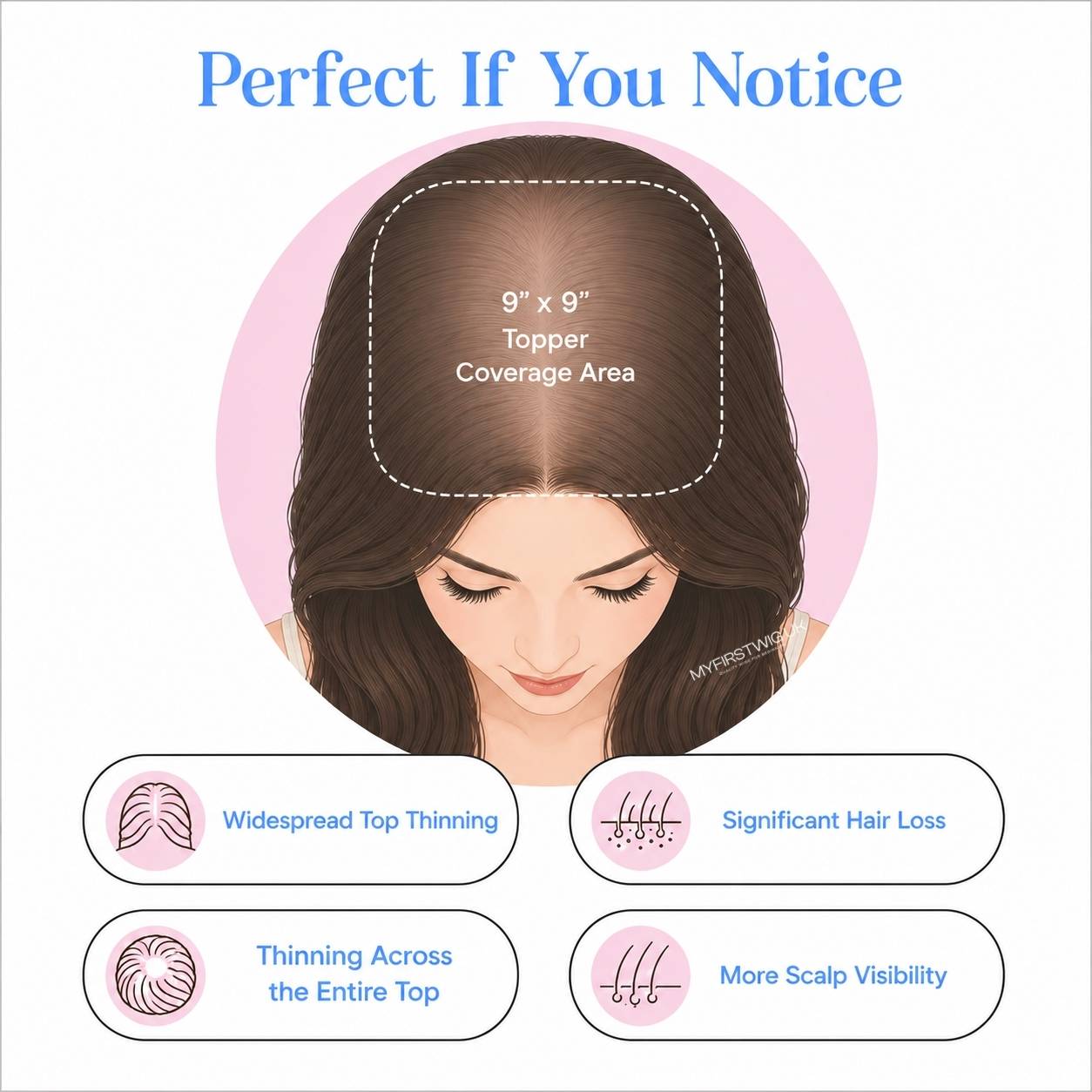
A topper may suit you if you notice:
- thinning at the crown
- visible scalp at the top
- reduced volume on top
- healthy hair around the sides and back
Shop here:
Hair Toppers for Thinning Hair
Widening part: choose a realistic top finish
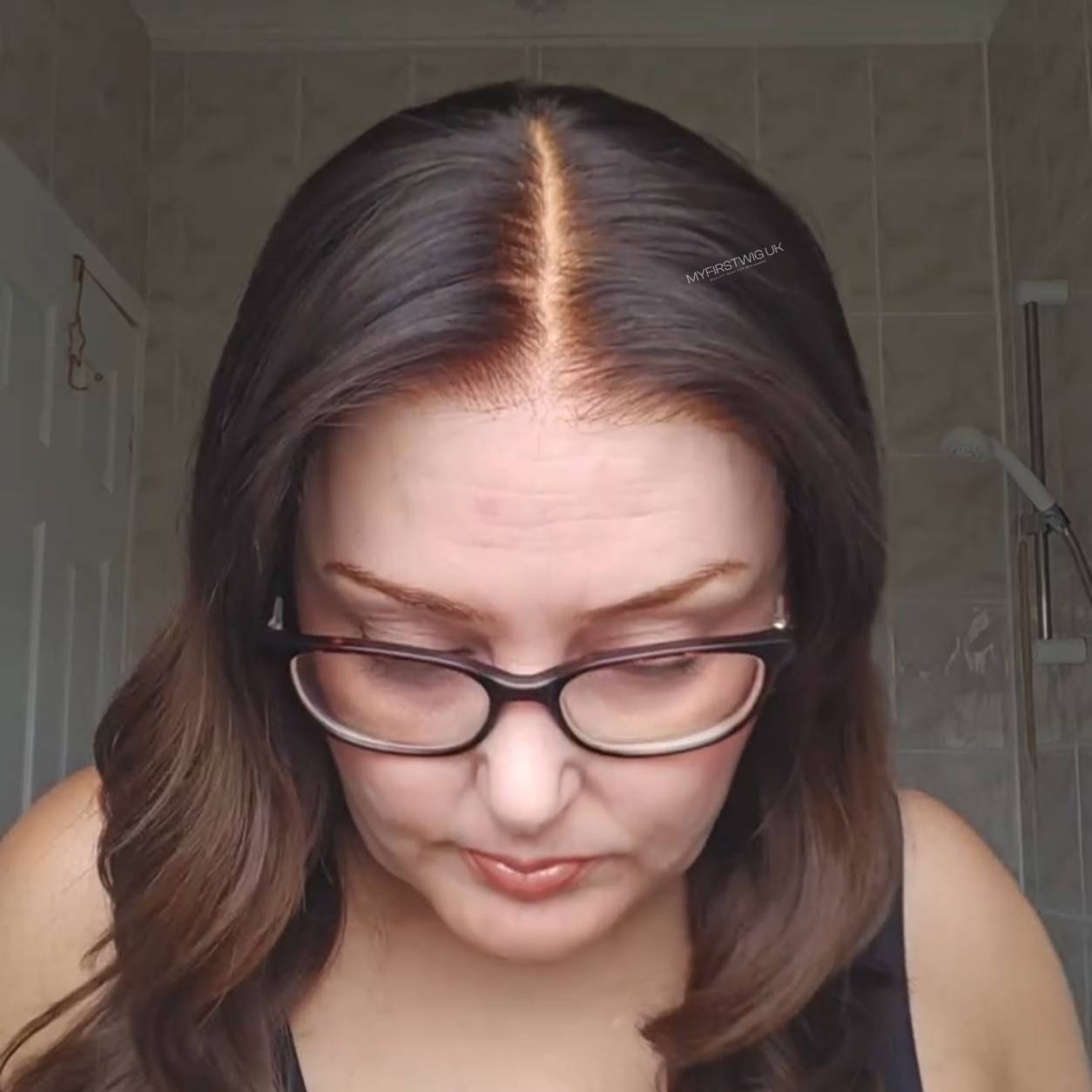
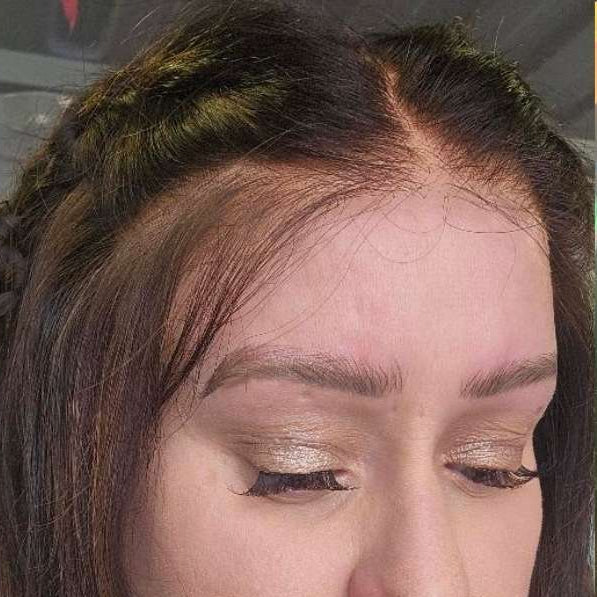
If your main concern is a widening part rather than overall hair loss, choose a topper with a realistic top and light, natural density.
In this case, the goal is not to add too much fullness. It is to reduce scalp show-through and create a more natural-looking parting line.
This is often best for:
- widening part
- mild top thinning
- early-stage thinning
- women who want subtle everyday coverage
Helpful guide:
Silk Base Topper Application: Step-by-Step Tips for Thinning Hair
Frontal thinning or a sparse hairline: a wig may work better
If the thinning is focused around the front hairline or temples, a standard topper may not always be the best option.
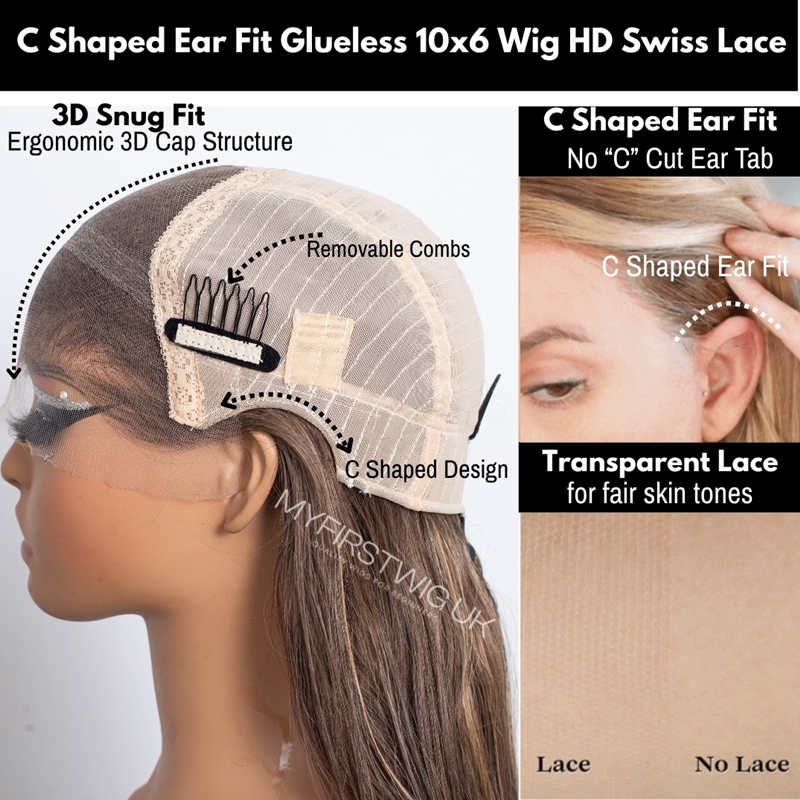
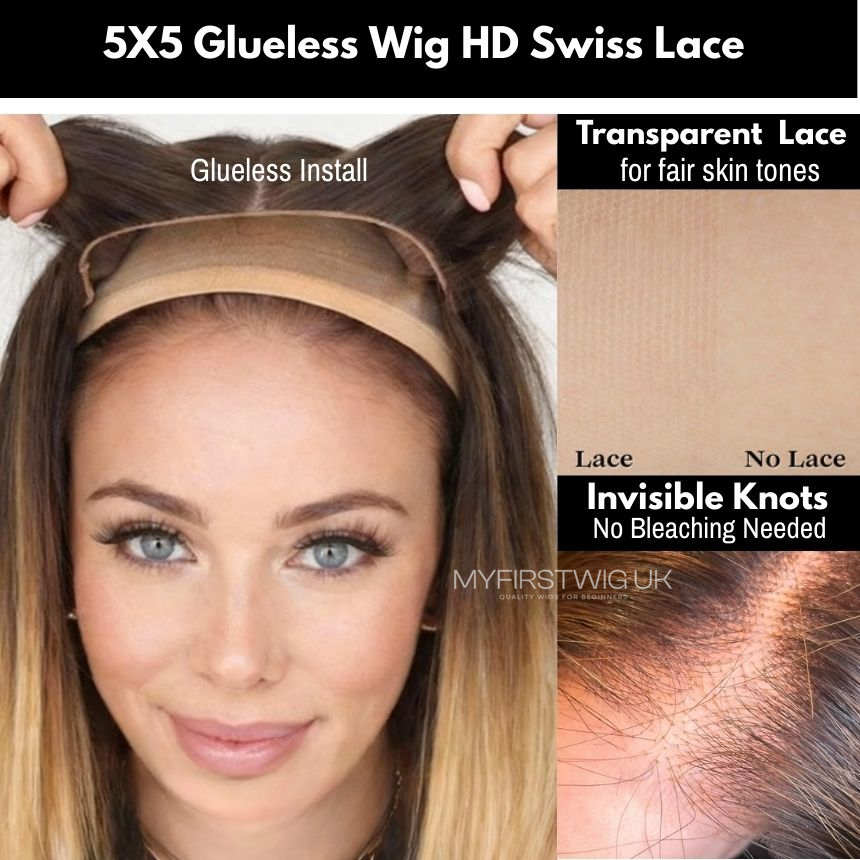
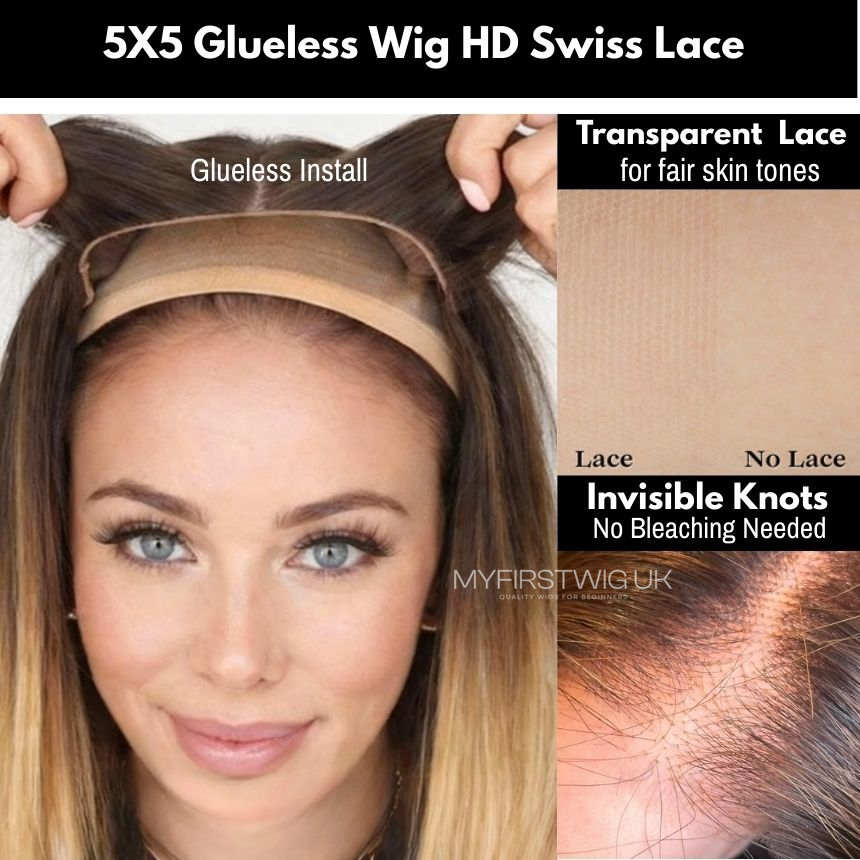
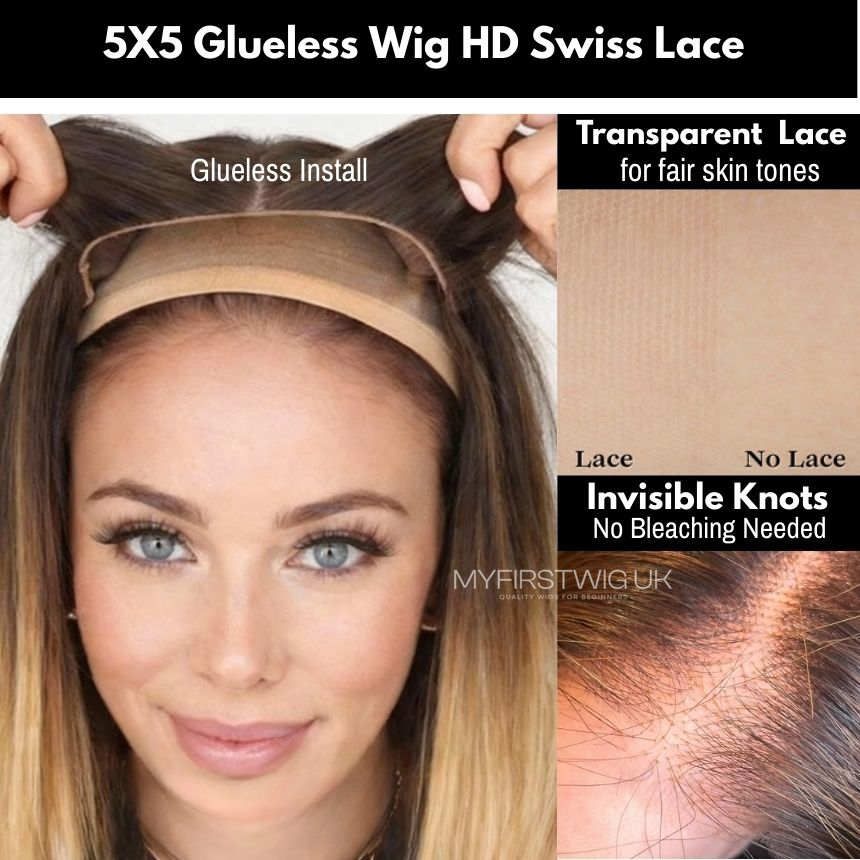
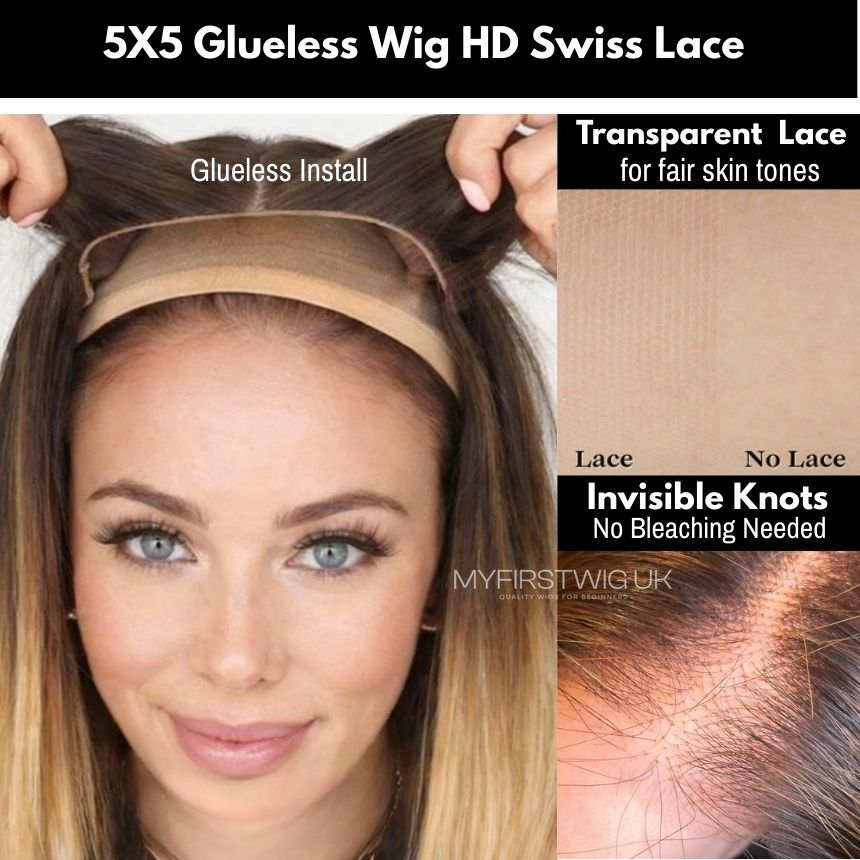
That is because frontal thinning often leaves less hair to secure clips properly. In this case, a hairline piece or a glueless wig may give better coverage and easier everyday wear.
This may be a better fit if you have:
- frontal thinning
- sparse hairline
- temple thinning
- less hair at the front for clip security
Explore options:
Hairline Topper
Diffuse thinning: you may need more coverage
If the whole top area feels thinner, flatter, and less dense, a small topper may not give enough coverage.
In this case, a larger topper or a full wig is often a better choice, especially if you want an easier daily routine and a smoother overall finish.
This is often best for:
- diffuse thinning
- wider coverage needs
- reduced density across the top
- women who want fuller, easier coverage
Browse here:
Hair Loss Wigs & Toppers
Patchy hair loss: choose based on how much area needs coverage
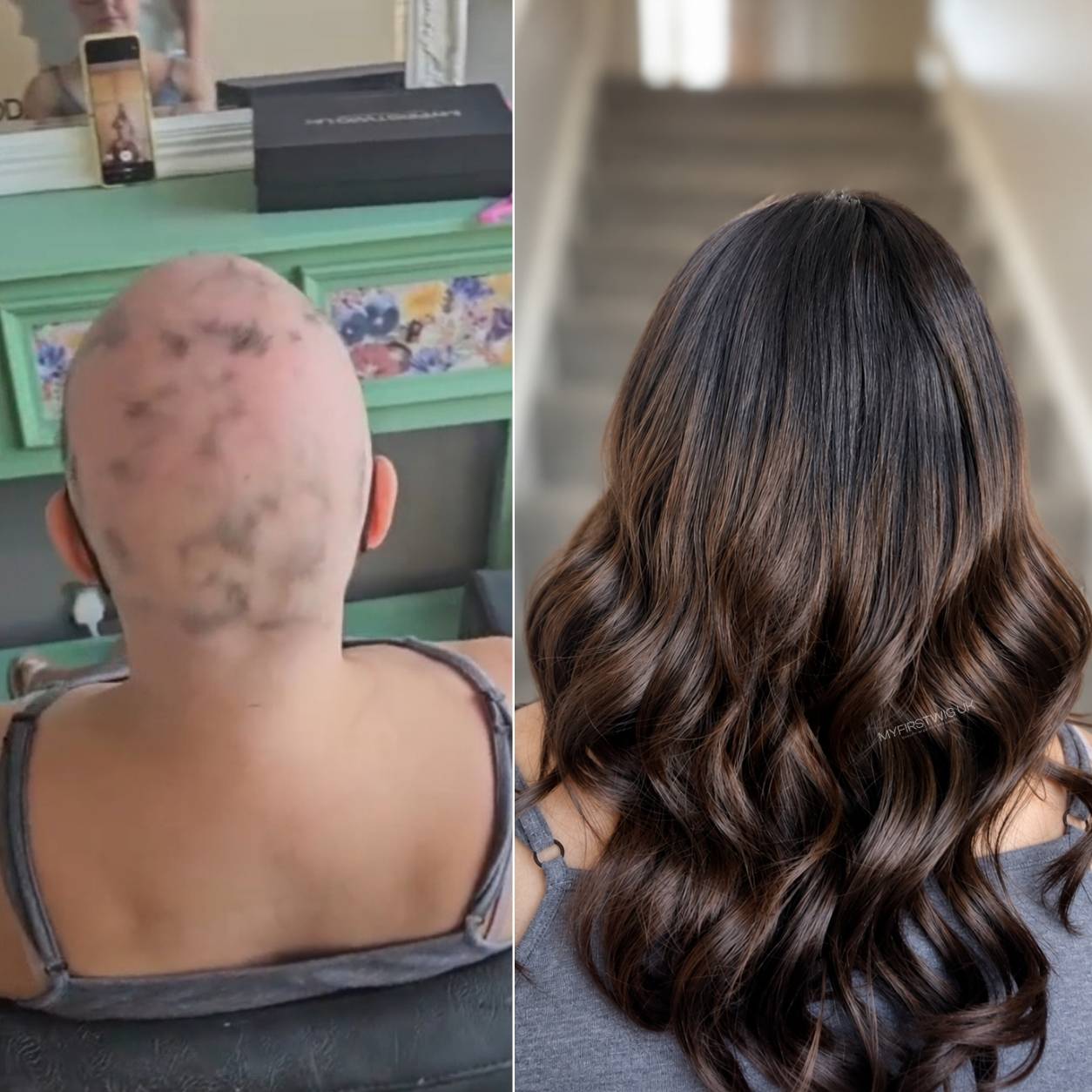
If you have one small patch, a targeted topper may help. If the patches are larger, multiple, or changing over time, a full wig is often the simpler solution.
This is usually the easiest option if you want a more consistent look without needing to adjust placement every day.
A quick guide by severity
| Hair loss pattern | Usually the best place to start |
|---|---|
| Mild crown thinning | Small to medium topper |
| Widening parting | Realistic scalp-effect topper |
| Moderate top thinning | Larger-base topper |
| Frontal thinning / sparse hairline | Front piece or glueless wig |
| Diffuse thinning across the whole top | Larger topper or full wig |
| Multiple patches / changing alopecia | Full wig |
Topper or wig: a simple way to decide
Choose a topper if:
- your thinning is mainly at the crown or parting
- you still have enough hair to secure clips
- you want light, targeted coverage
Choose a wig if:
- your thinning affects the front hairline
- the hair loss is diffuse or more advanced
- you want fuller coverage with less daily blending
Final thoughts
The best choice depends on where your hair loss appears, how much coverage you need, and how easy you want daily wear to be.
If you only need targeted top coverage, a topper can be a very natural starting point. If you need more complete coverage, a wig may simply work better.
Frequently Asked Questions
Is a topper or wig better for thinning hair?
It depends on where the hair is thinning and how much coverage you need. A topper is often best for crown thinning or a widening part, while a wig may be better for frontal thinning or more diffuse hair loss.
What is the best topper for crown thinning?
A topper with natural top coverage and realistic scalp effect is usually a good choice for crown thinning, especially if you still have enough hair around the area to secure it comfortably.
Can I wear a topper if I have a sparse hairline?
Sometimes, but not always. If the thinning is mainly at the front hairline or temples, a hairline piece or glueless wig may give better coverage and easier wear.
When should I choose a wig instead of a topper?
A wig is often the better option if your thinning is diffuse, more advanced, affects the front hairline, or if you want fuller coverage with less daily blending.