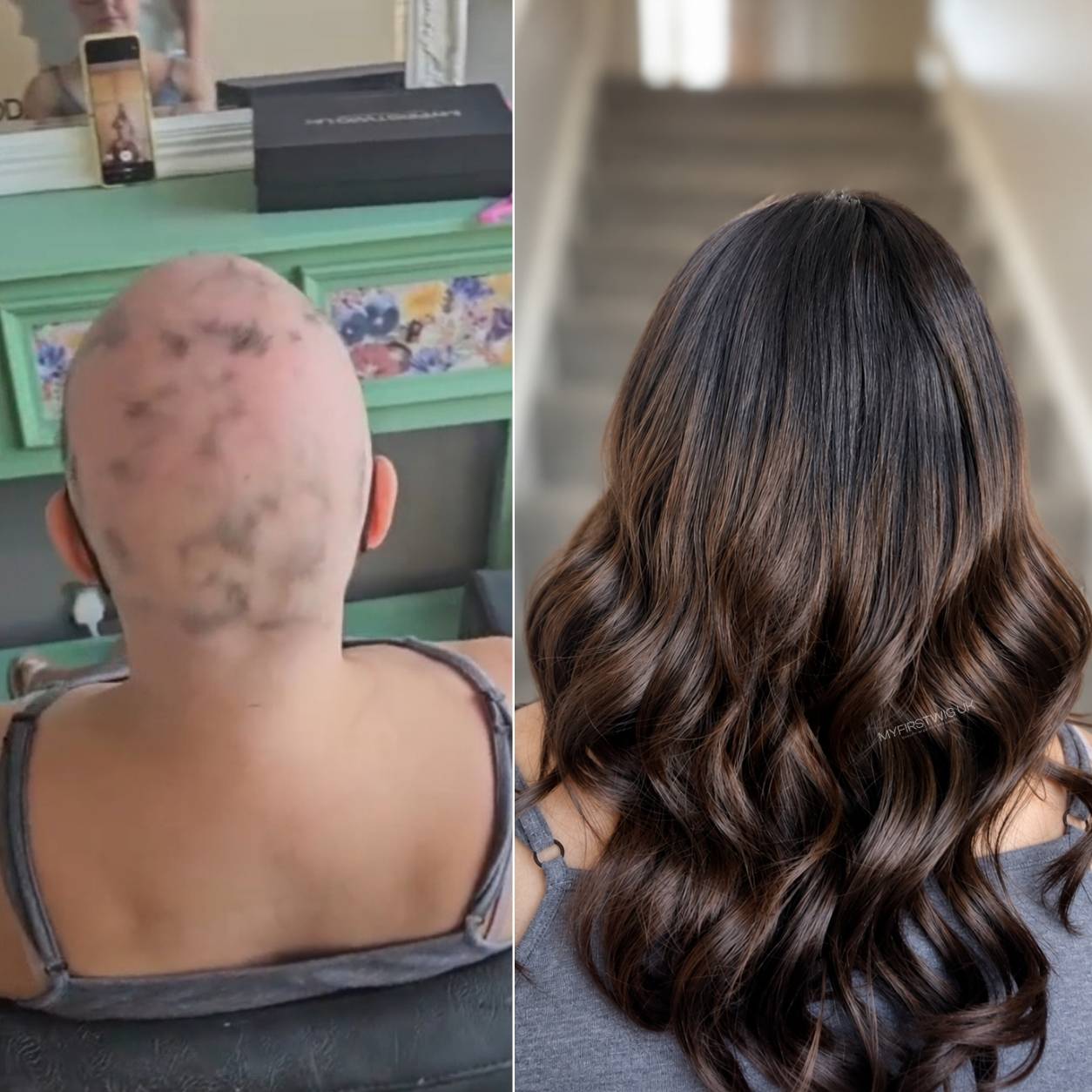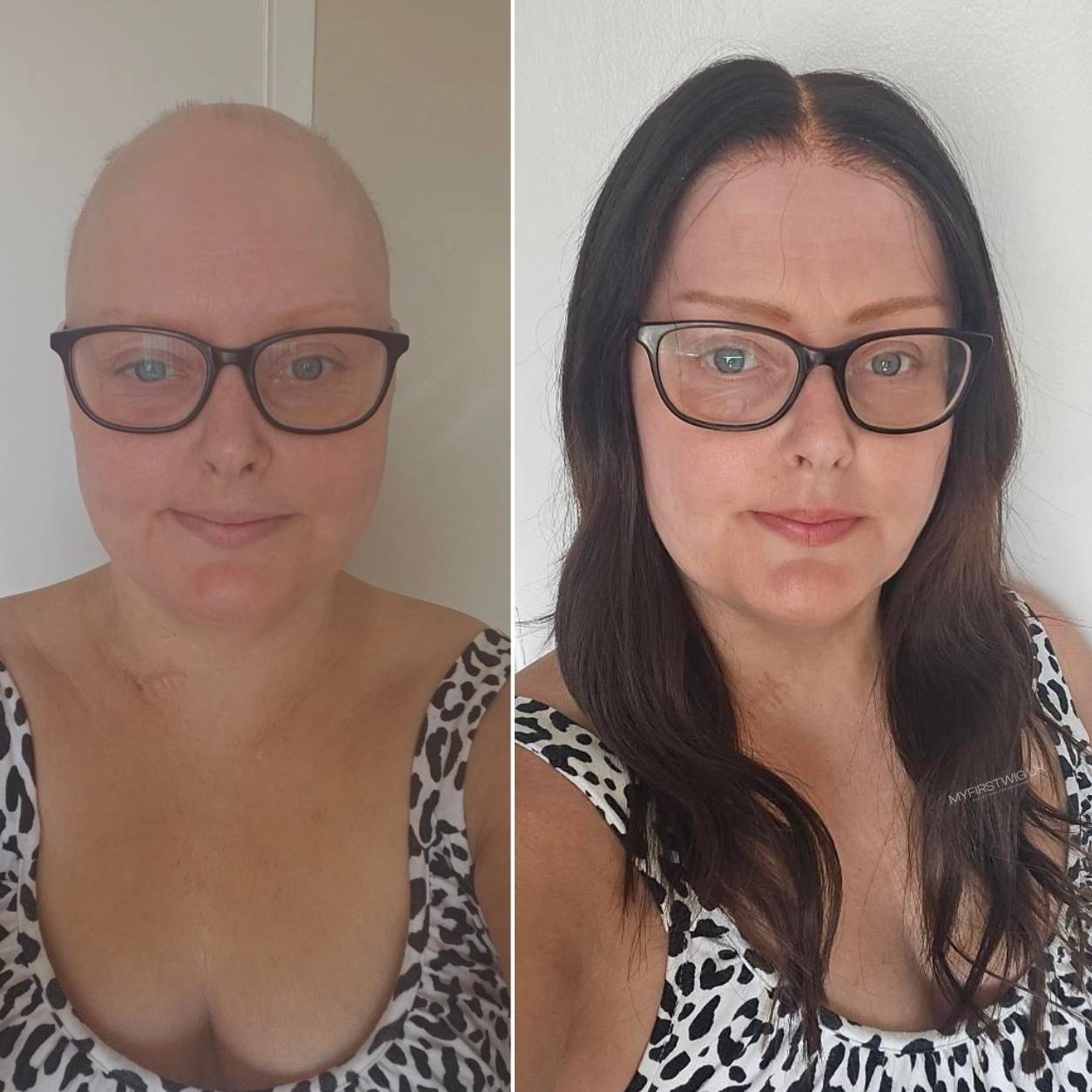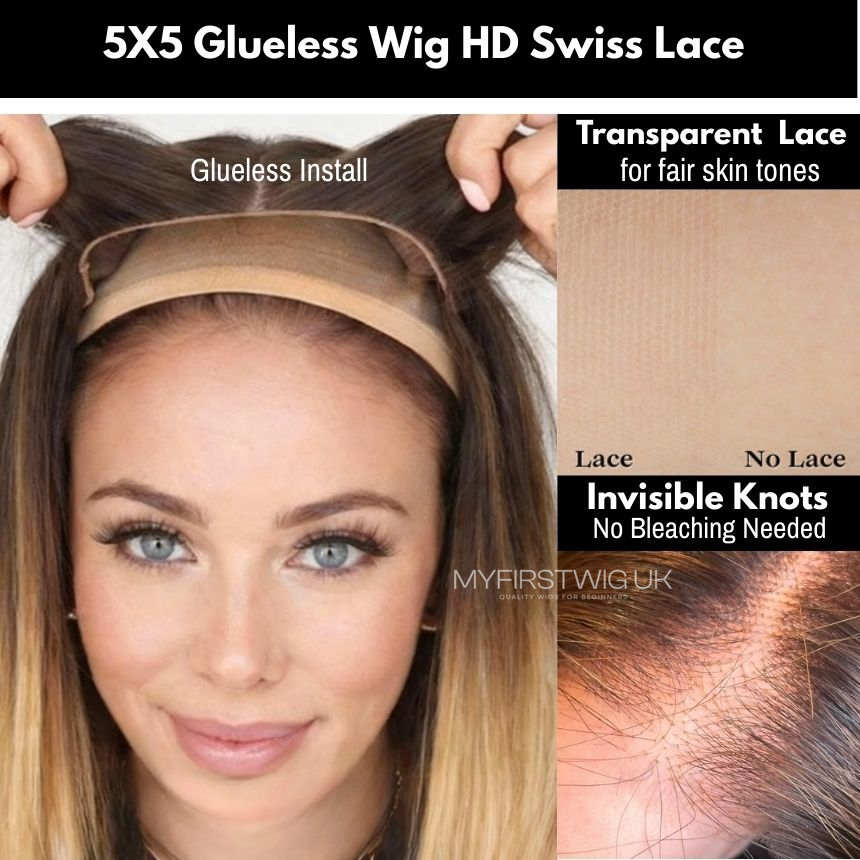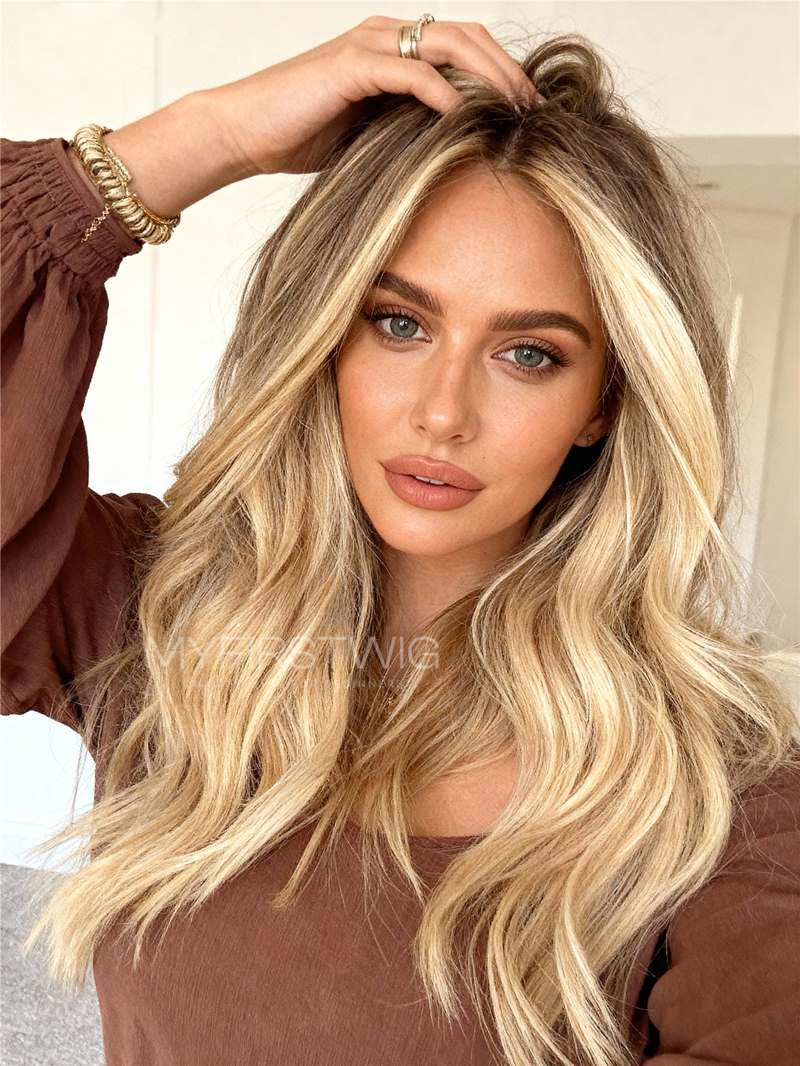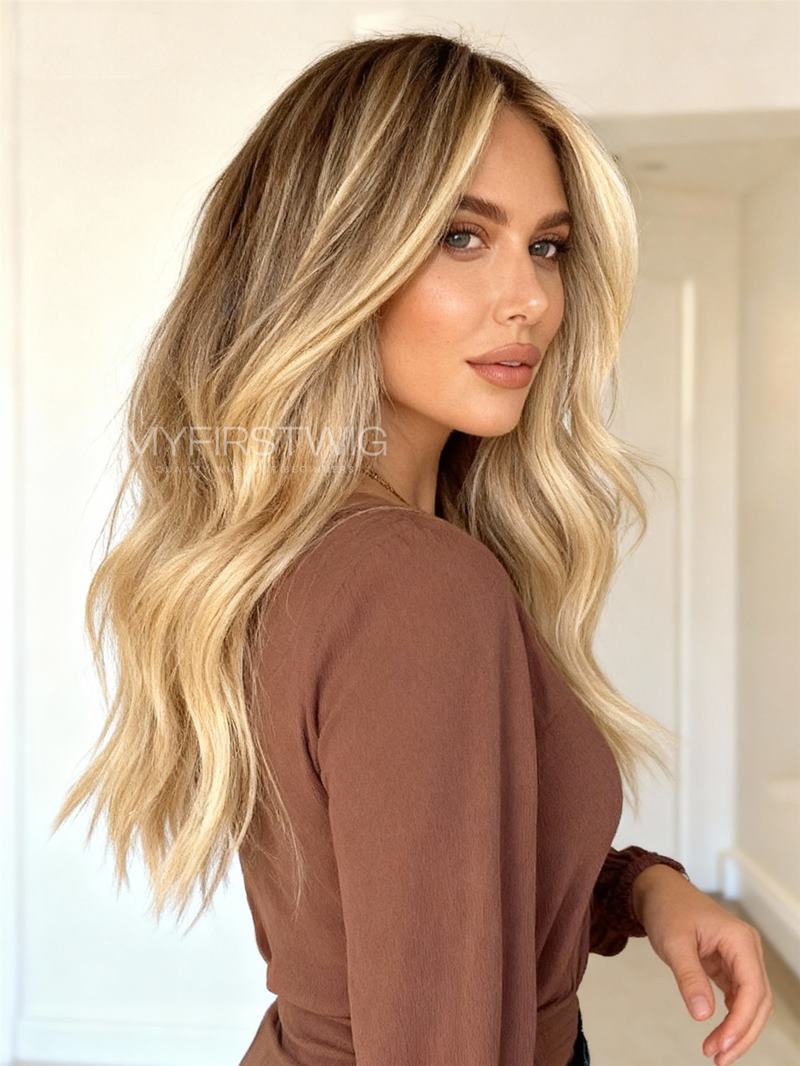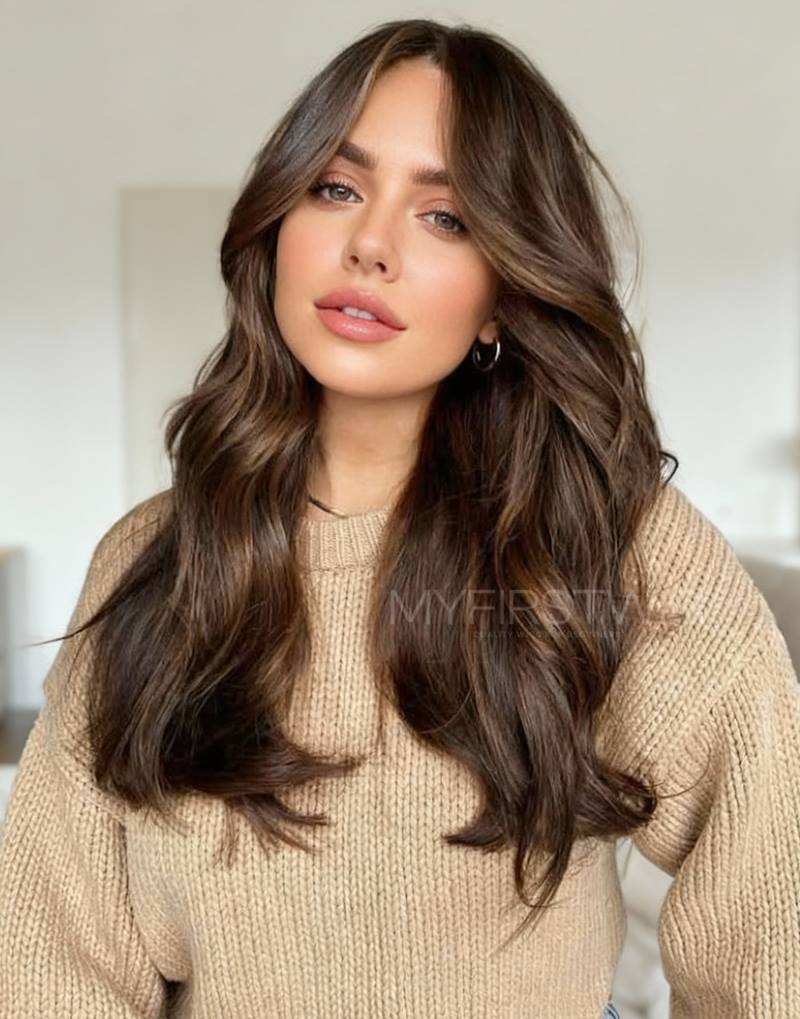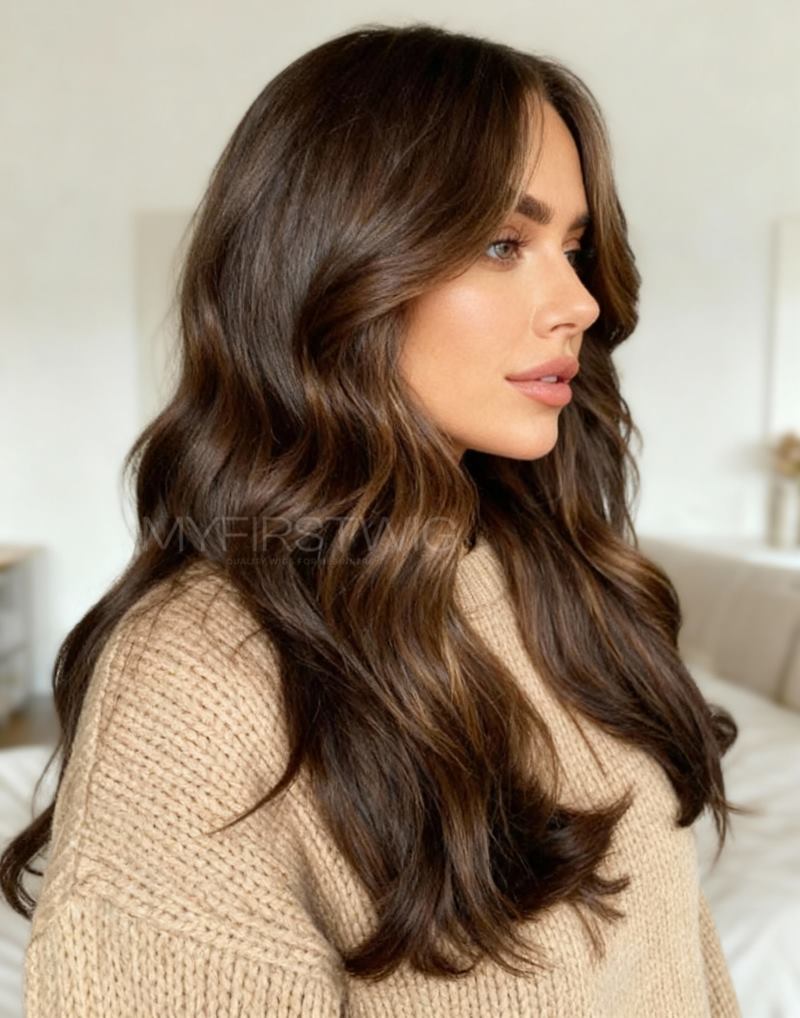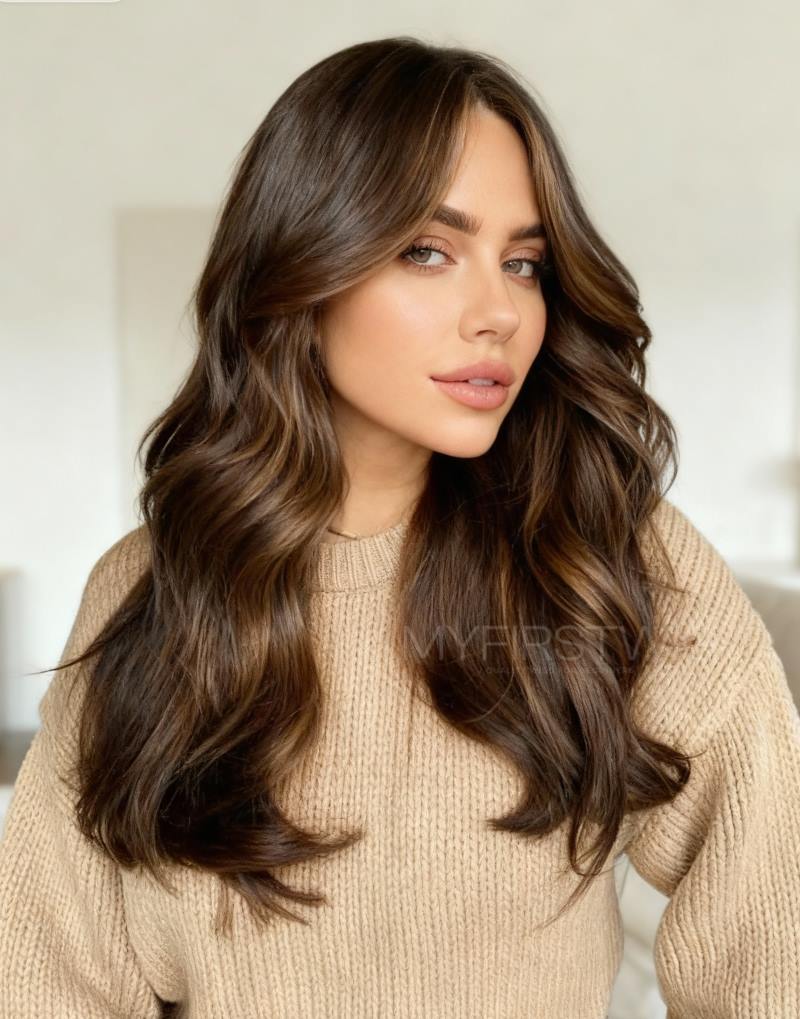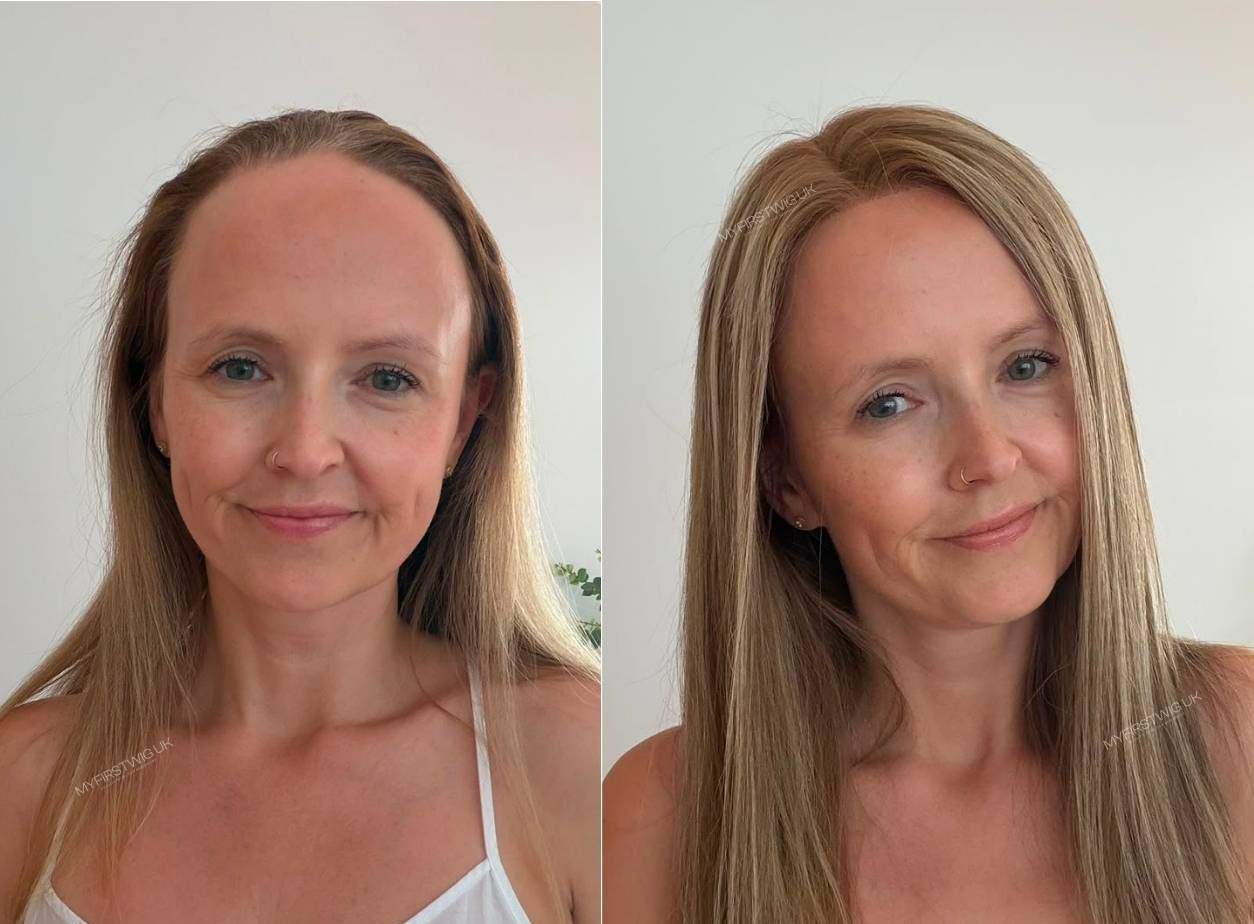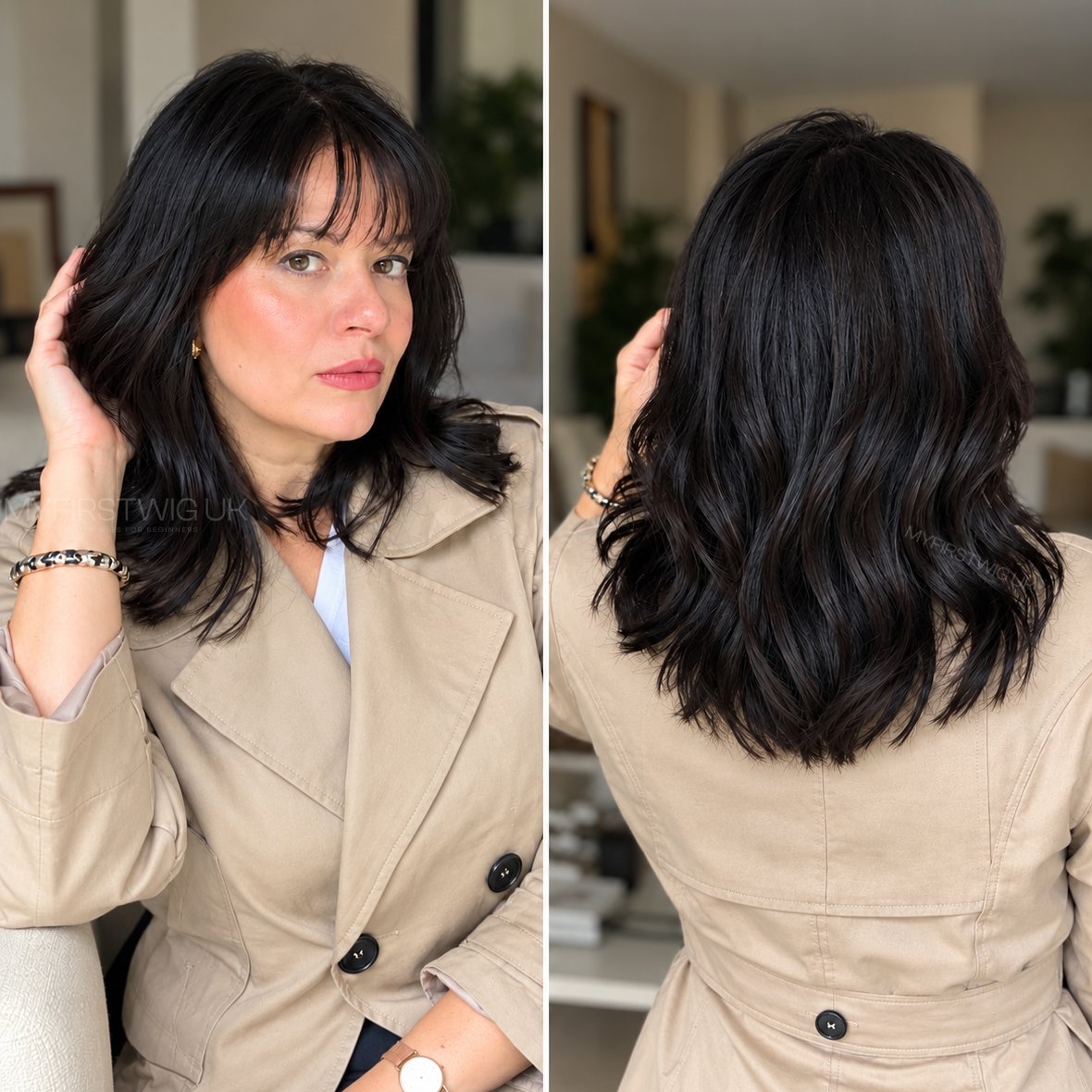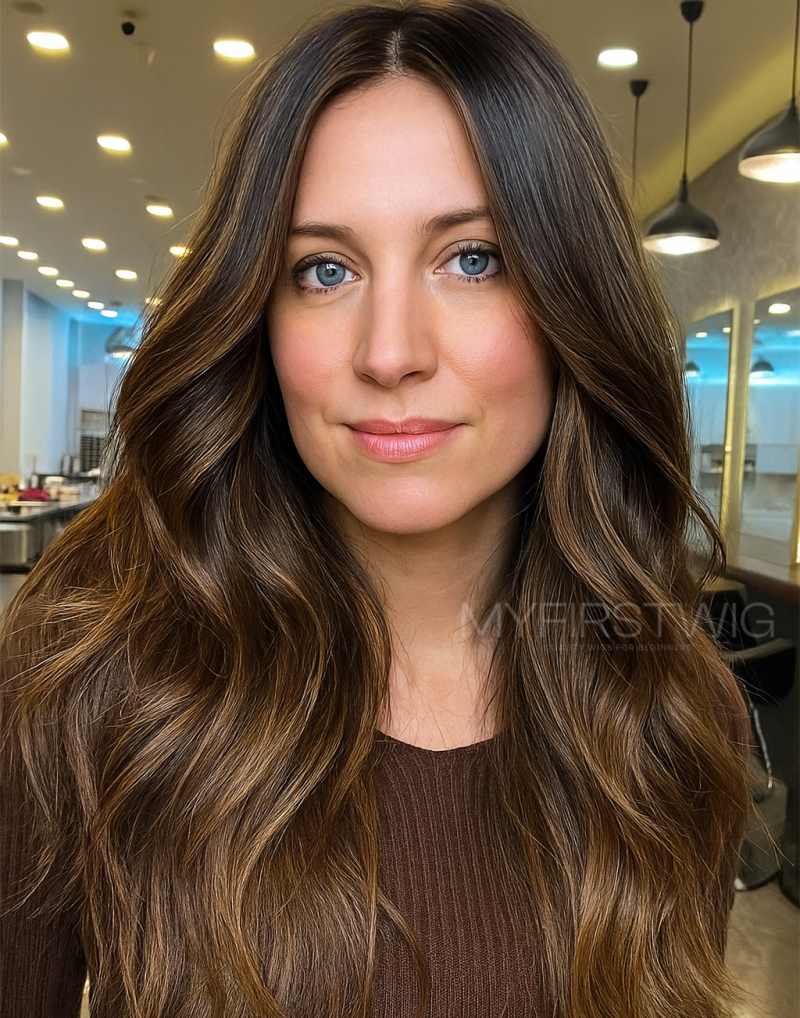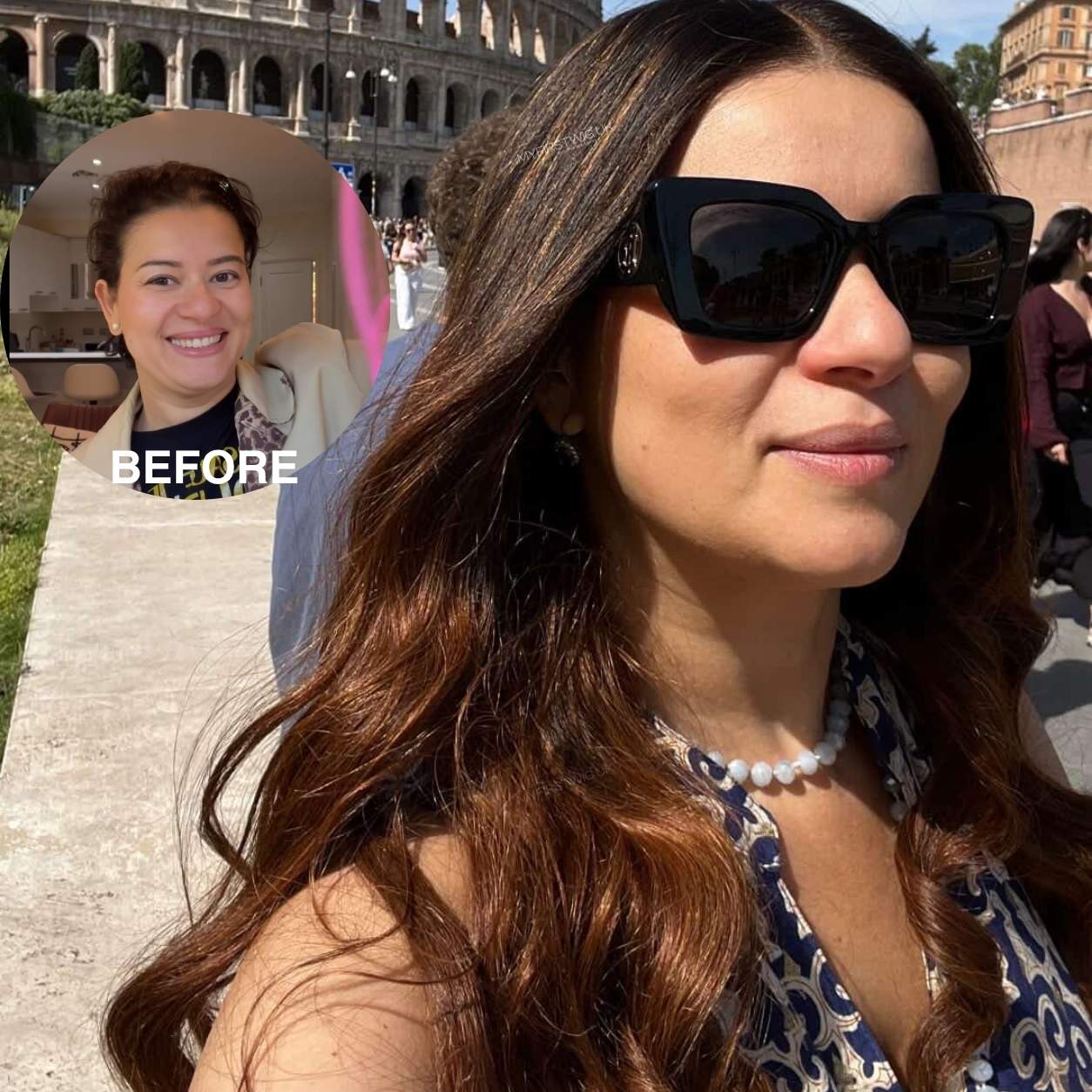
Choosing the right hair topper colour can feel a little overwhelming, especially if you are trying to cover thinning at the crown, a wider parting or early-stage hair loss. The good news is that your topper does not need to match every single strand perfectly. What matters most is choosing a shade that blends naturally with your own hair, especially around the parting, roots and face-framing areas.
A well-matched hair topper should look soft, realistic and comfortable — like part of your own hair rather than something sitting on top of it.
Quick Answer: What Colour Hair Topper Should I Choose?
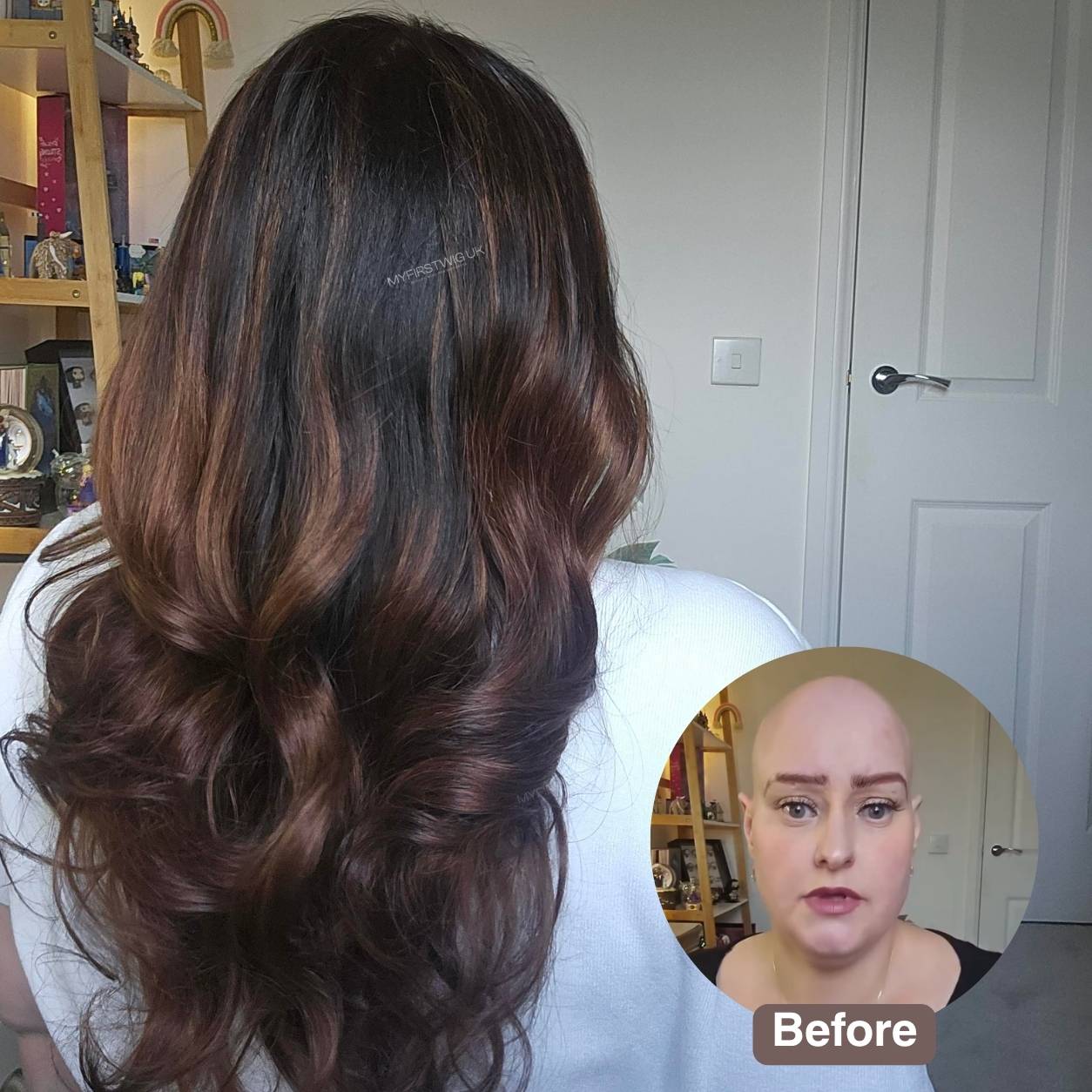
To pick the right colour hair topper, match the topper to the mid-lengths and ends of your natural hair, rather than only the roots. Then check your undertone, highlights, lowlights and how your colour looks in natural daylight. If your hair has dimension, a slightly blended or highlighted shade often looks more natural than one flat colour.
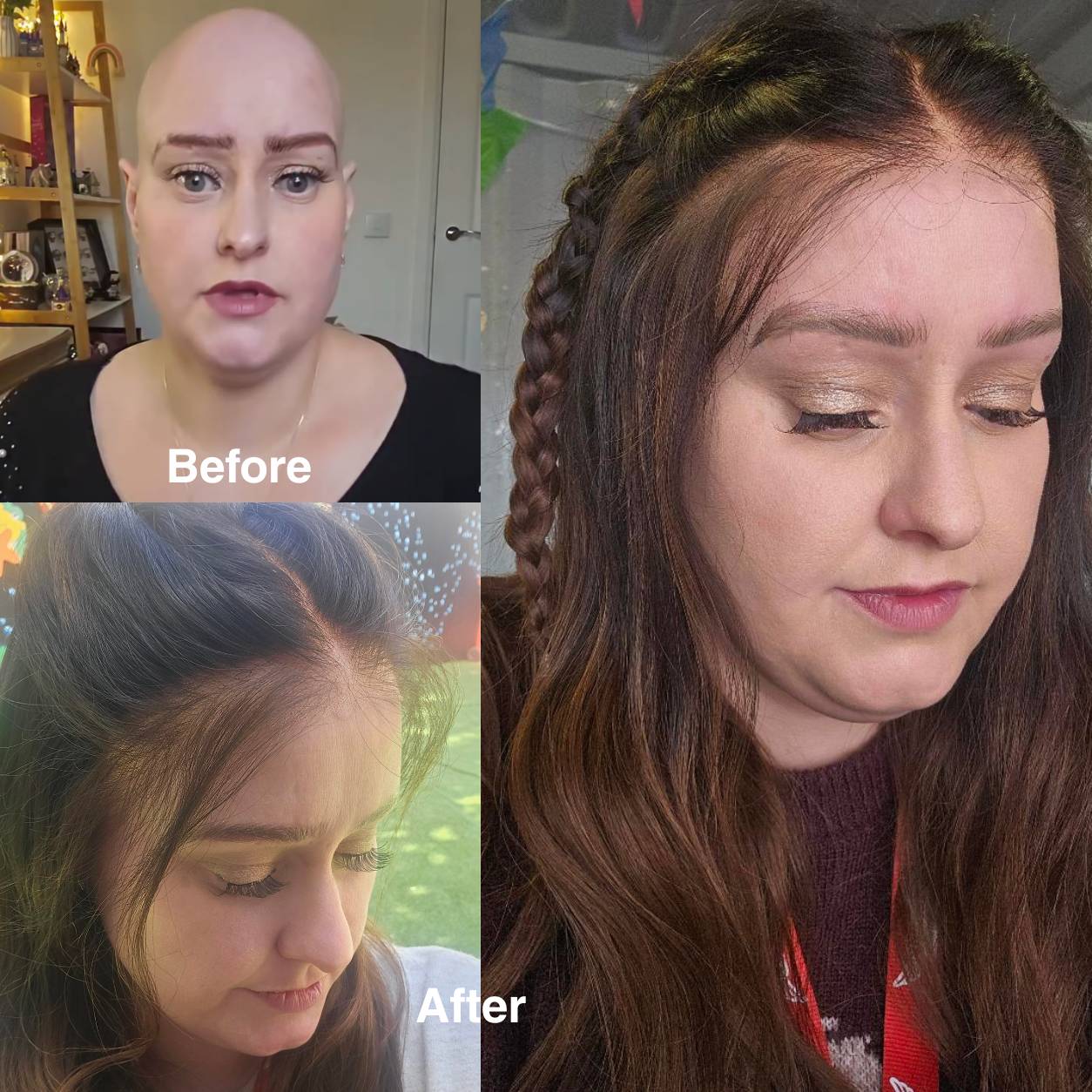
For women with thinning hair at the crown or parting, hair toppers for thinning hair can be a gentle way to add coverage while keeping your own hair visible.
1. Match the Topper to Your Lengths, Not Just Your Roots
Many people instinctively try to match a topper to their roots, but this is not always the best approach.
Your roots may be darker, lighter, greyer or more grown out than the rest of your hair. Since a topper blends over the top and sides, it usually needs to harmonise with the hair that sits around your face, sides and ends.
A good rule is:
Choose a topper colour that blends with the most visible part of your hair, especially your mid-lengths and ends.
This helps the topper flow naturally into your own hair, particularly when worn down.
2. Look at Your Hair in Natural Daylight
Indoor lighting can change how your hair colour appears. Warm bathroom lights can make hair look golden or orange, while cool LED lighting can make it look ashier than it really is.
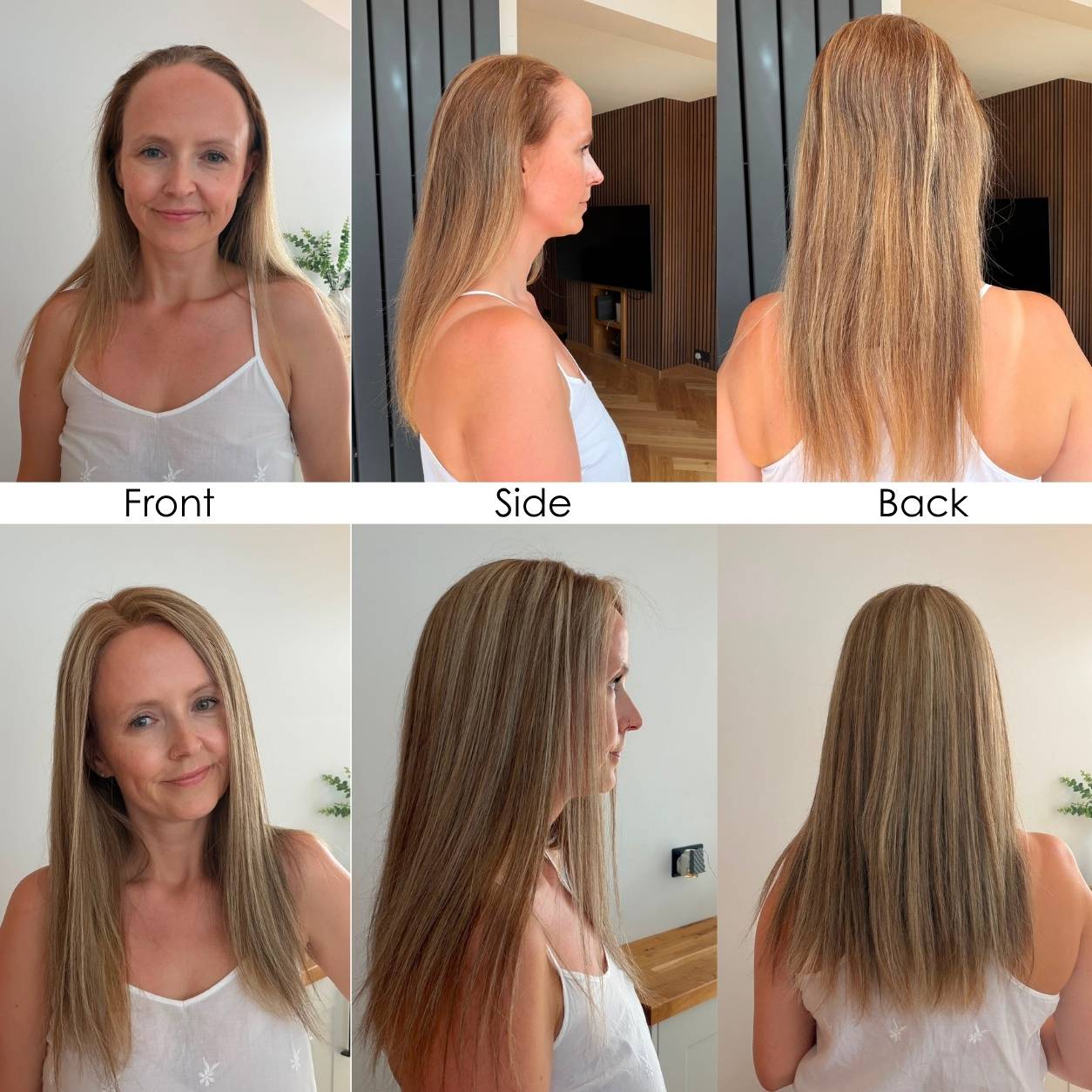
Before choosing your topper shade, take a few photos of your hair:
-
Facing a window in natural daylight
-
From the back
-
From the side
-
With your hair parted as you usually wear it
-
With no filter or flash
These photos will give a much more accurate idea of your real hair colour.
3. Understand Your Hair Undertone
Hair colour is not only about whether you are blonde, brunette, black, auburn or grey. Undertone matters too.
Common undertones include:
-
Warm: golden, honey, caramel, copper or chestnut tones
-
Cool: ash brown, beige blonde, silver, smoky or neutral brown tones
-
Neutral: neither very warm nor very cool
If your natural hair is ash brown and you choose a warm chocolate topper, it may look slightly reddish against your own hair. If your hair is golden blonde and you choose a very cool ash blonde topper, the difference may be noticeable.
When in doubt, choose a shade with soft dimension rather than a very flat colour.
4. Consider Highlights, Lowlights and Rooted Colours
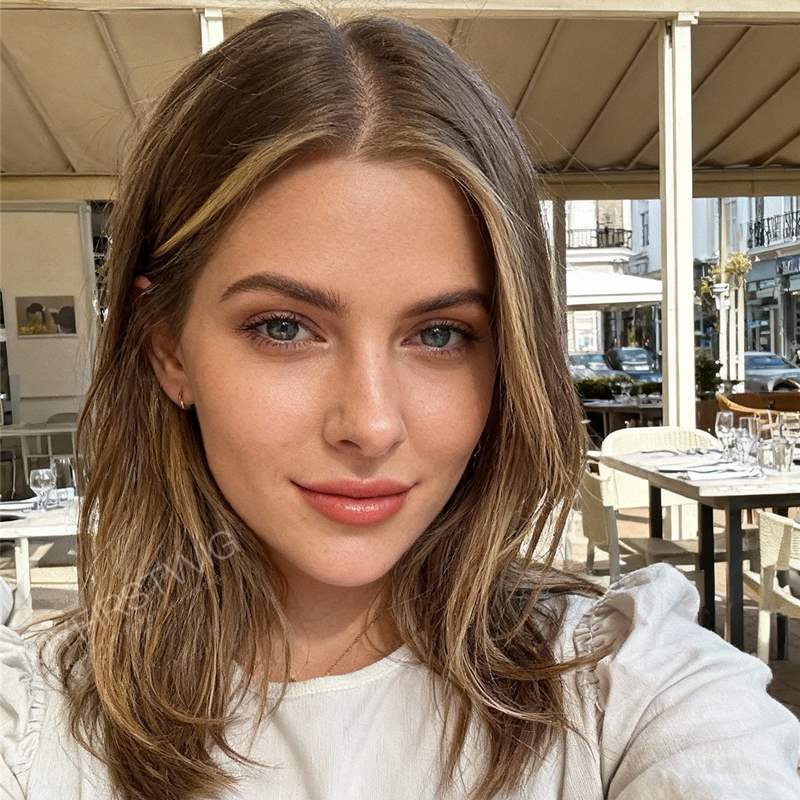
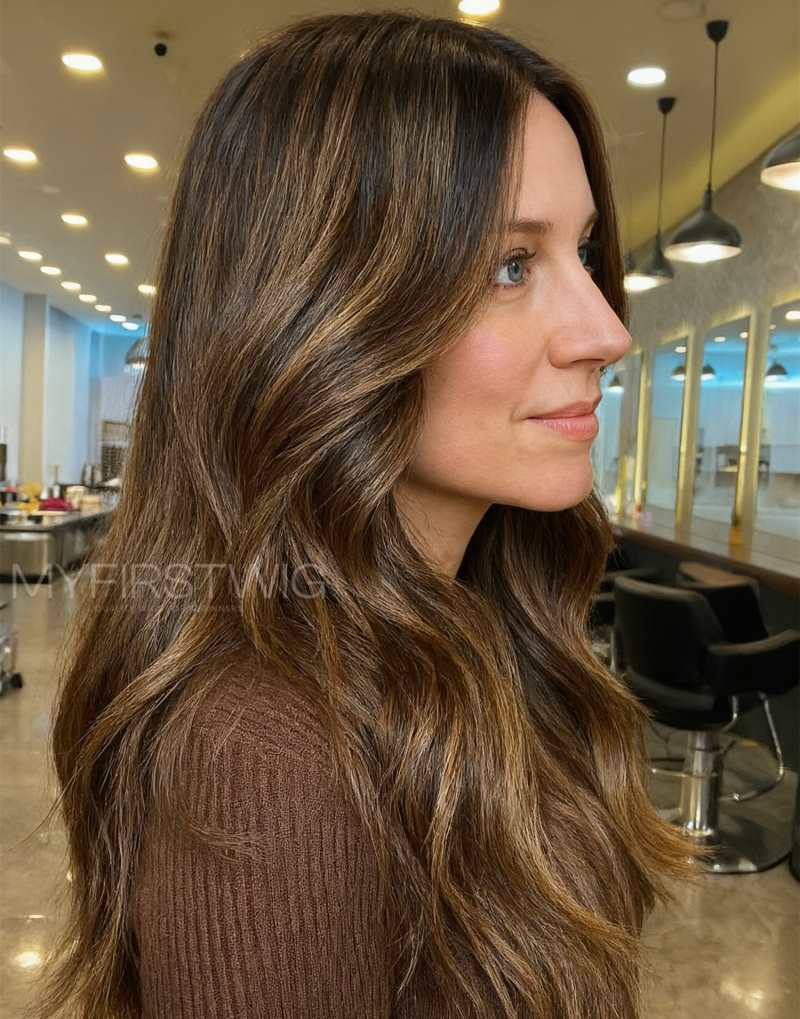
Many natural hair colours are not one solid shade. Even if you have never dyed your hair, you may have lighter ends, darker roots or sun-kissed pieces around the face.
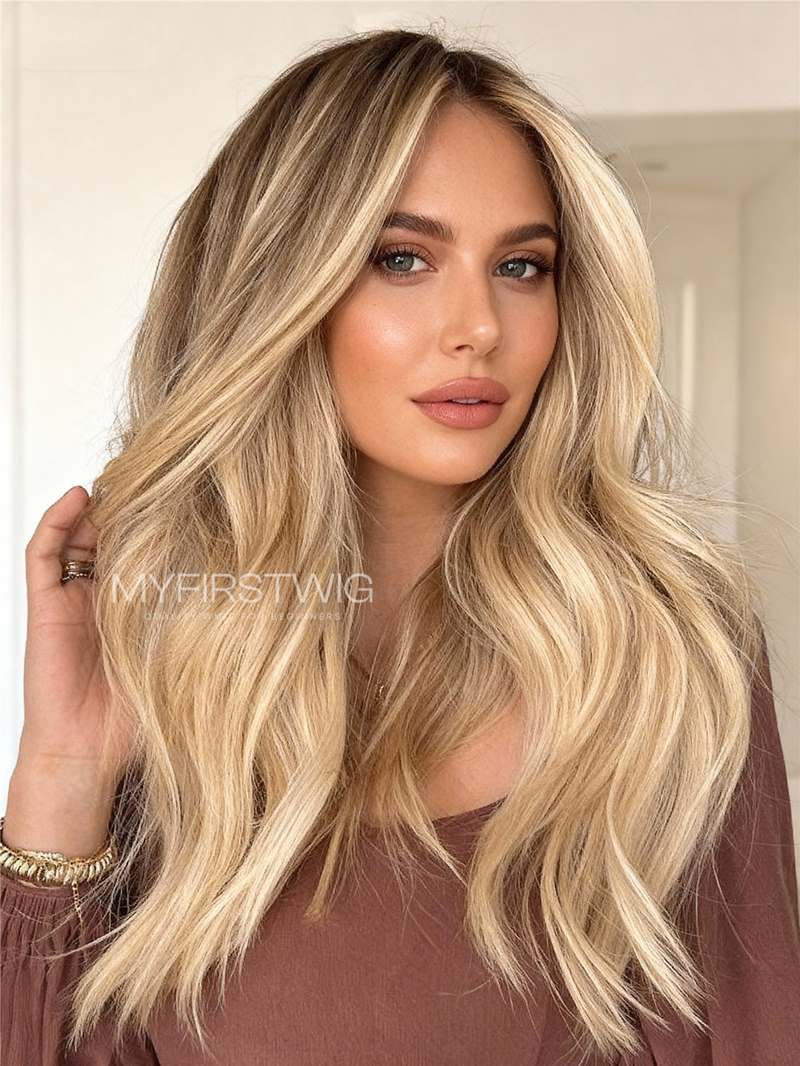
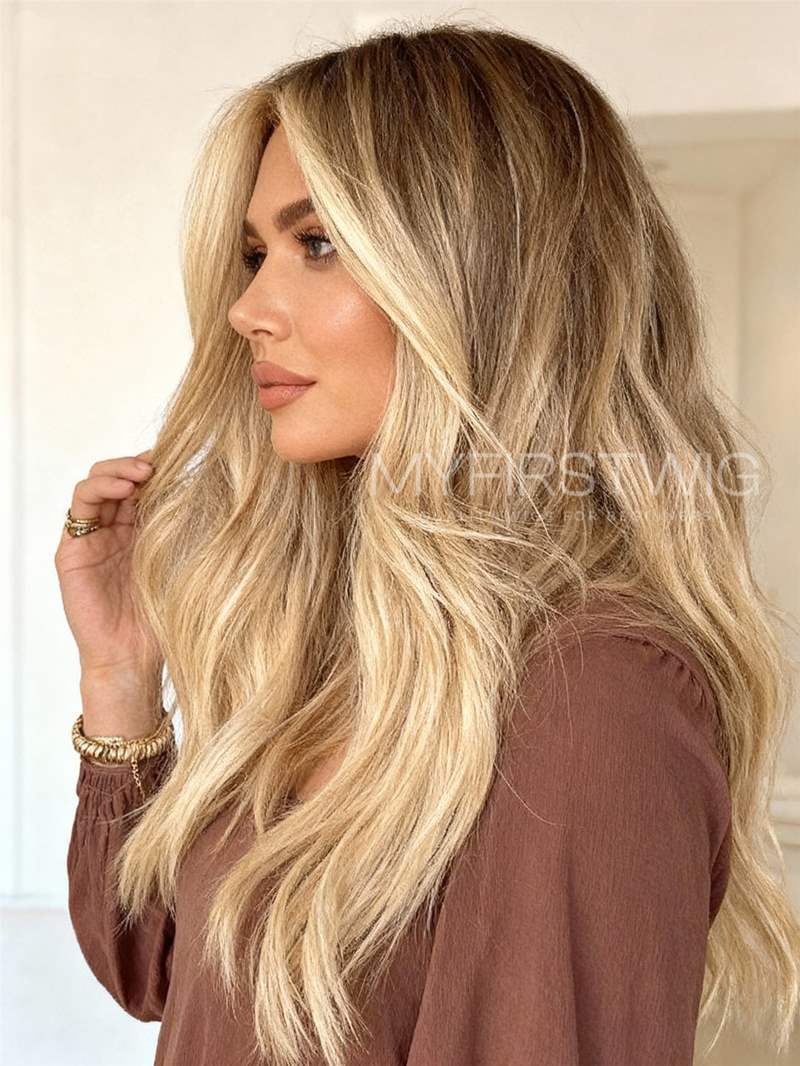
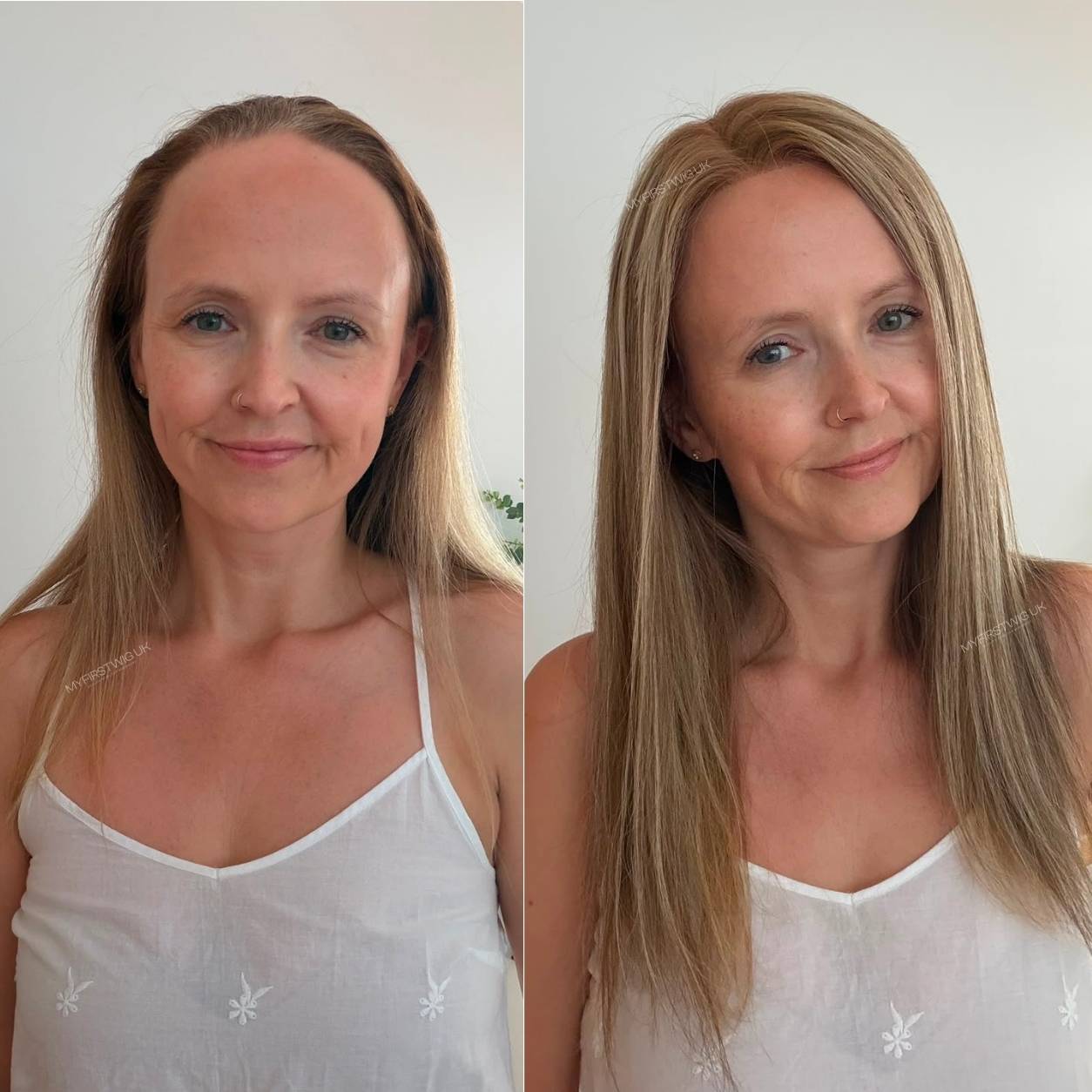
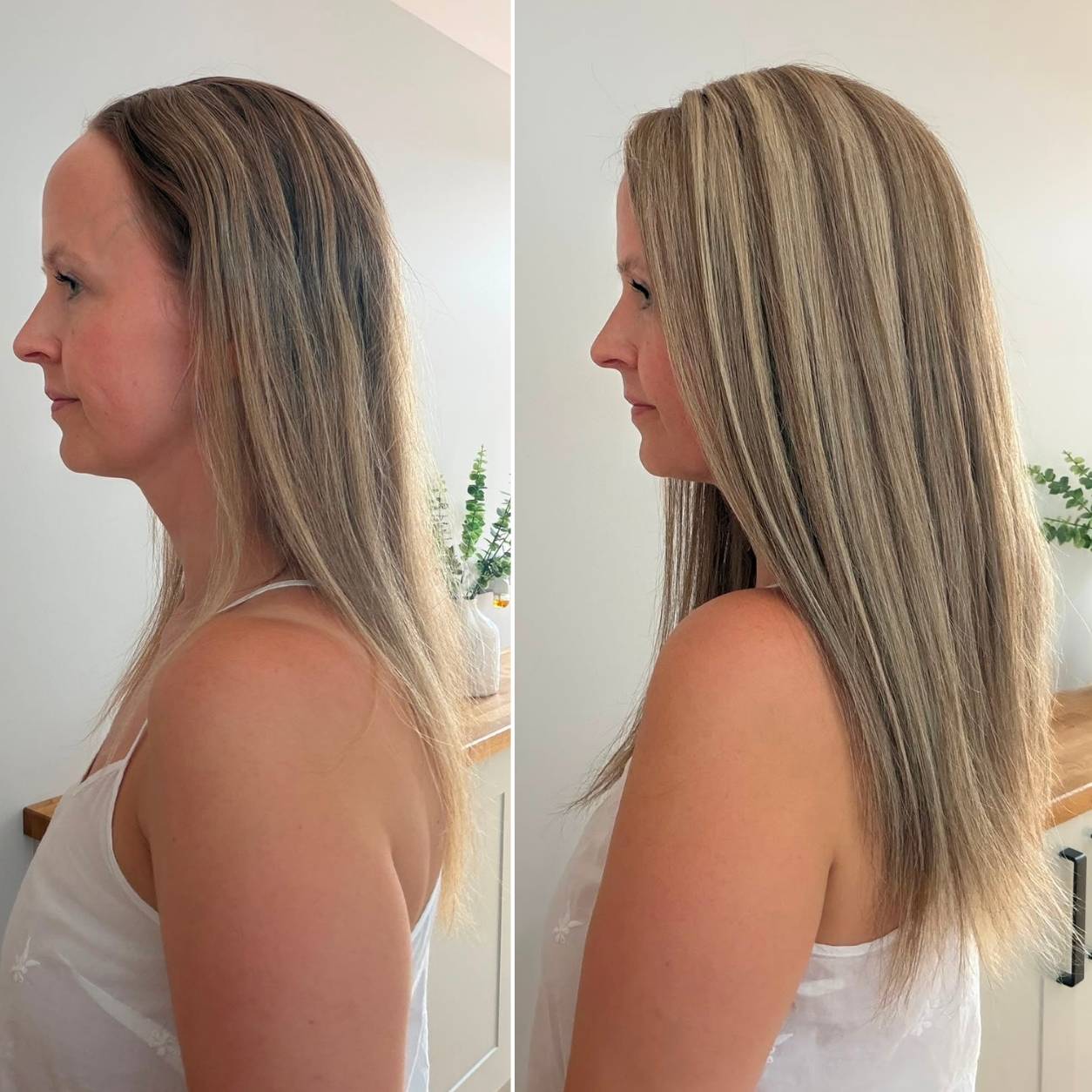
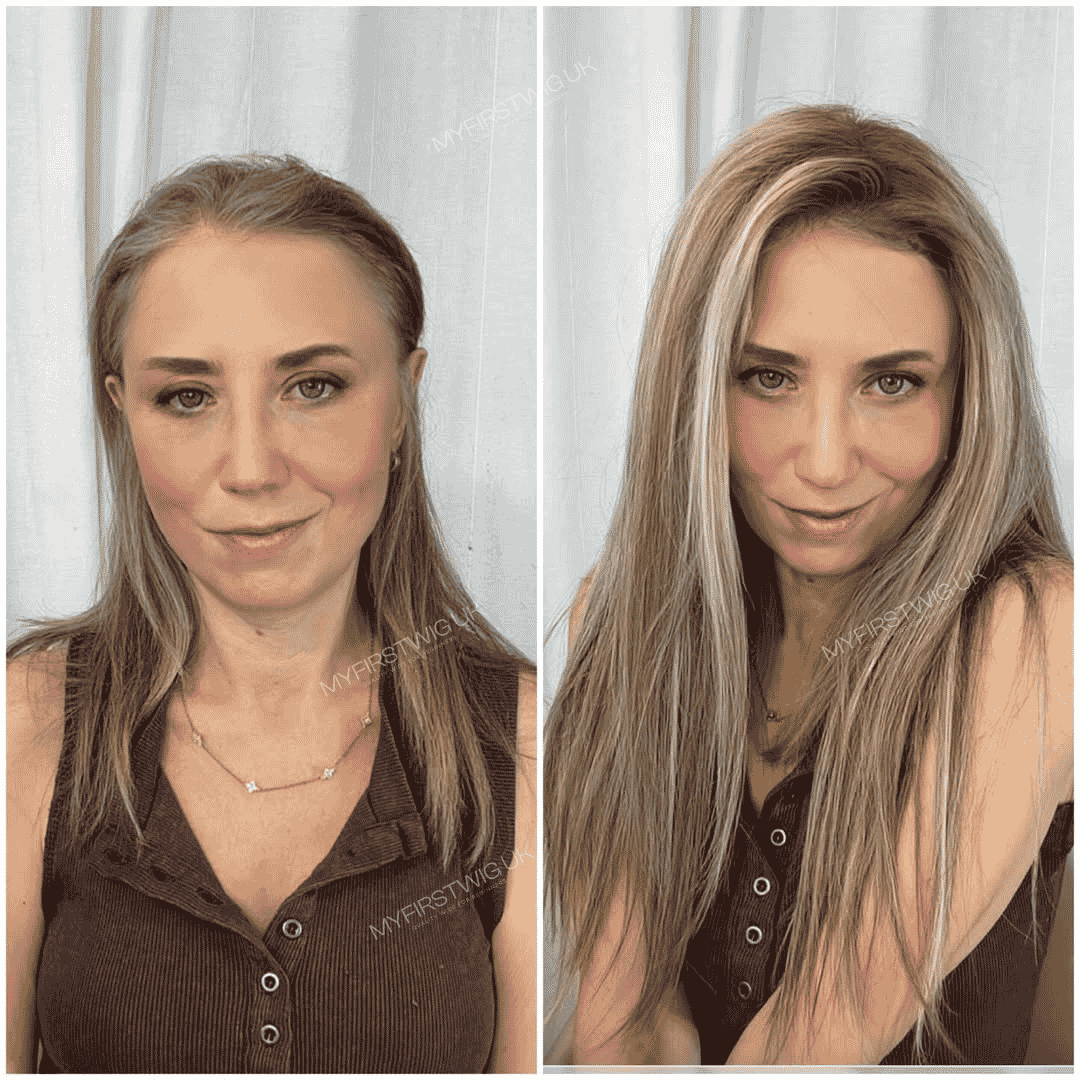
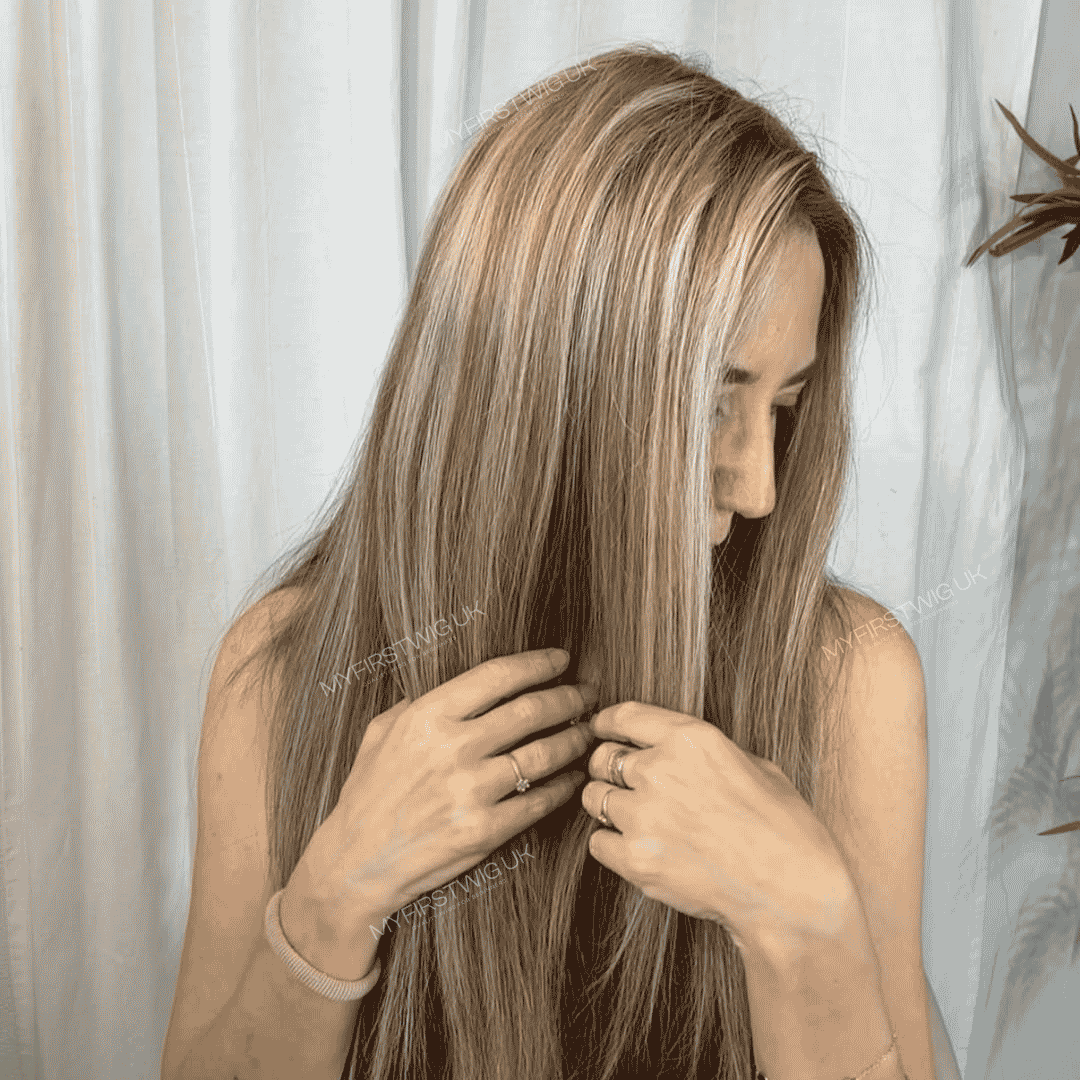
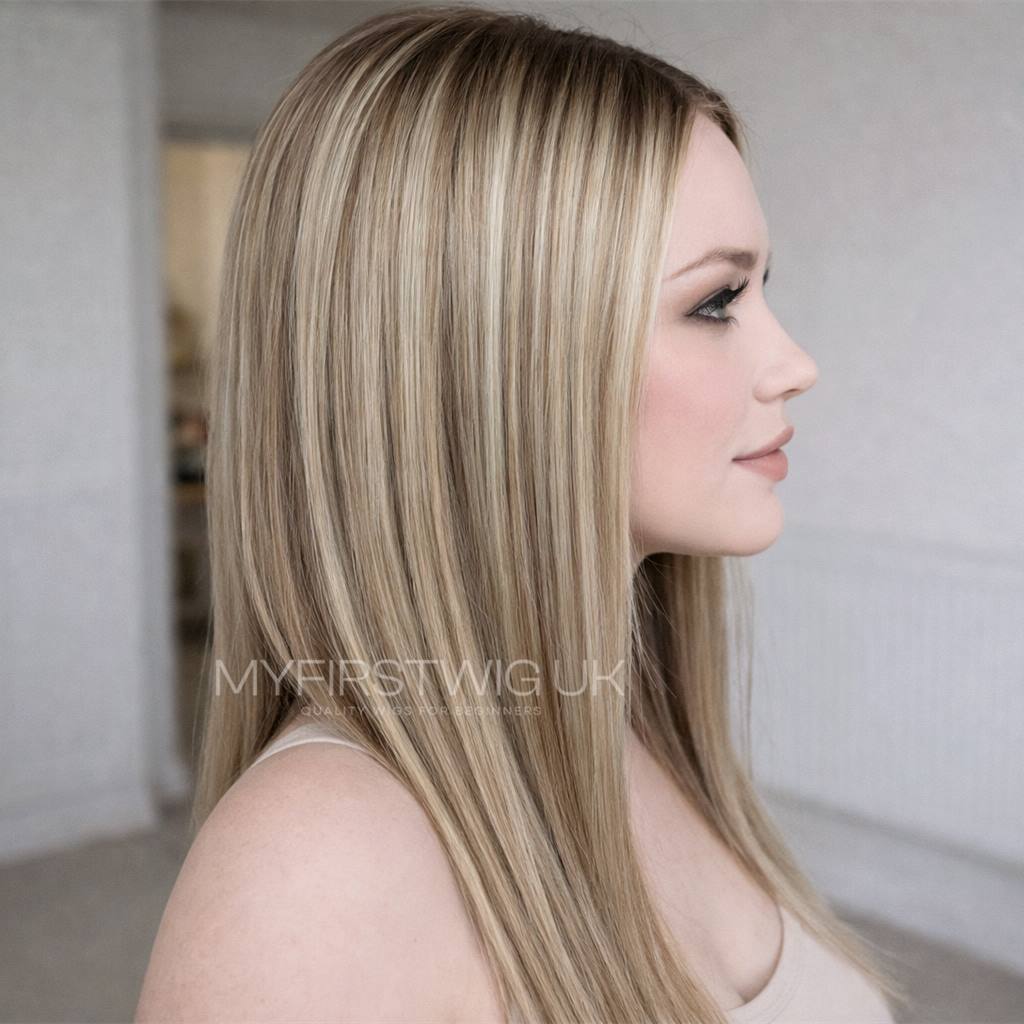
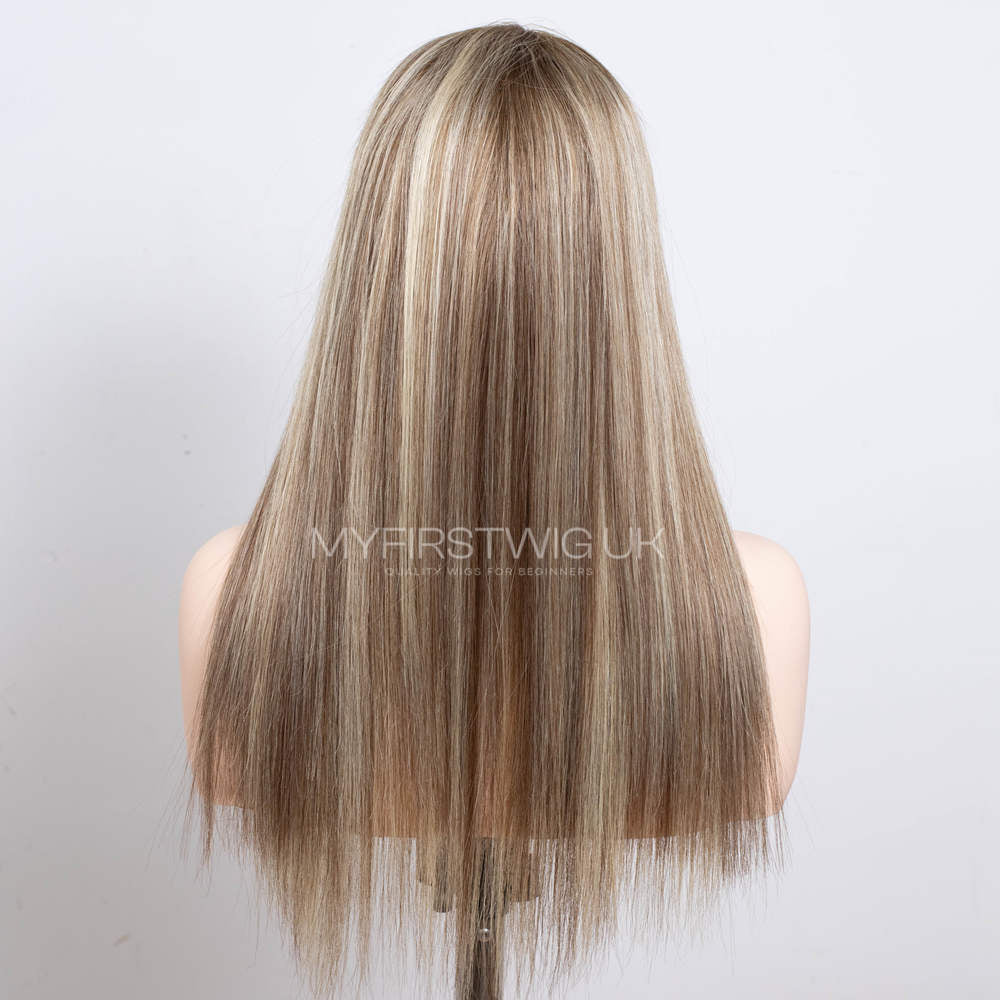
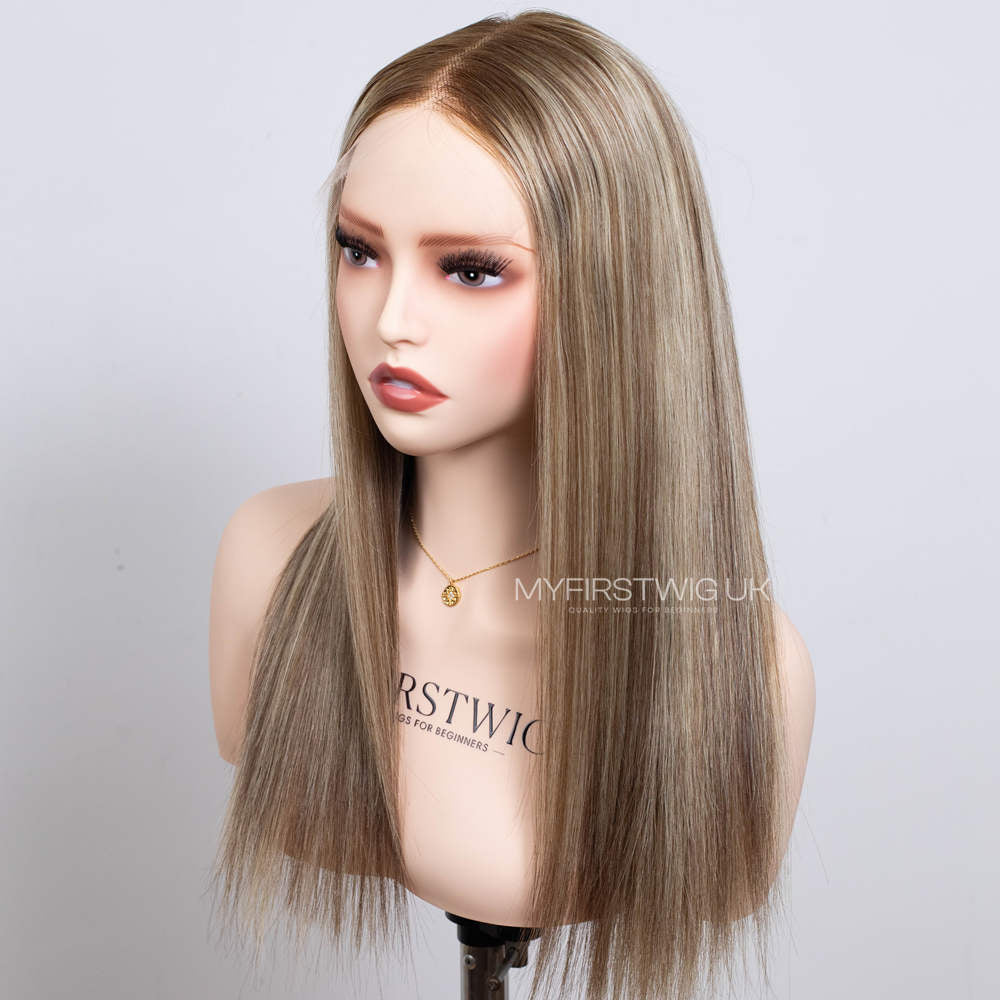
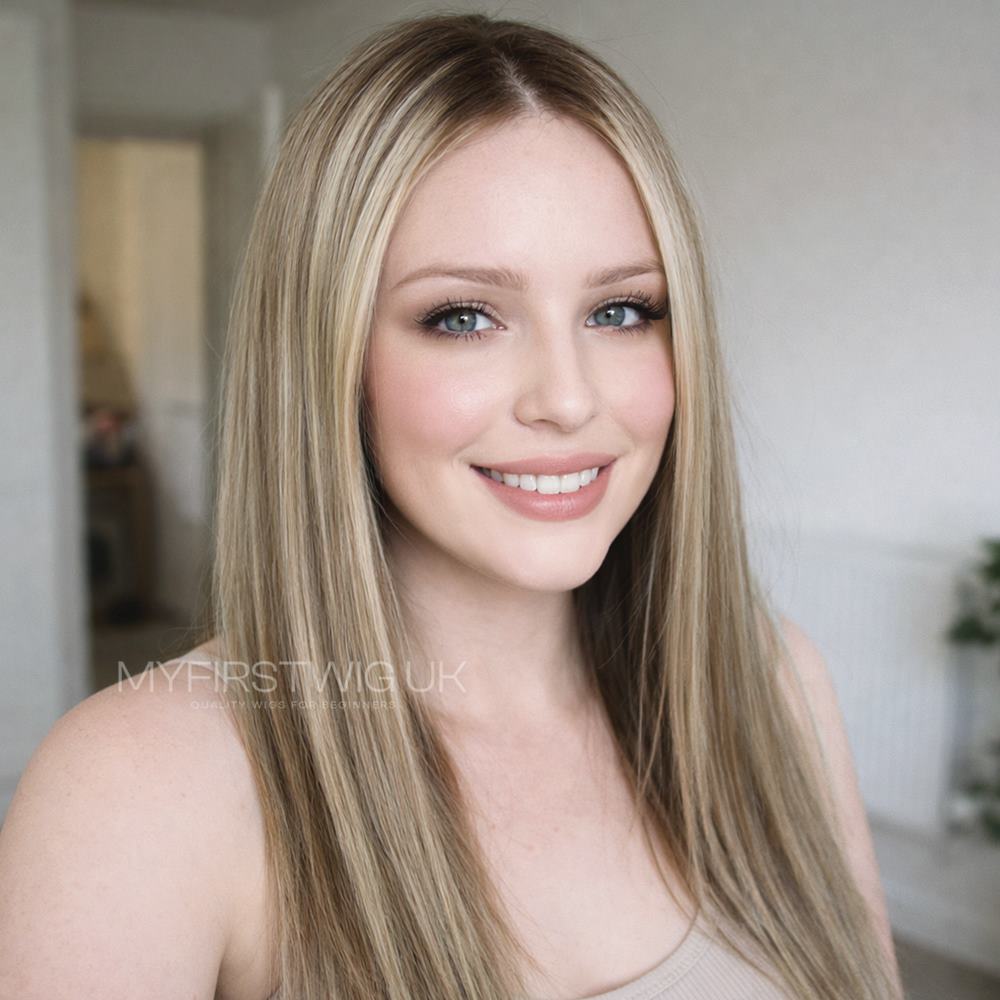
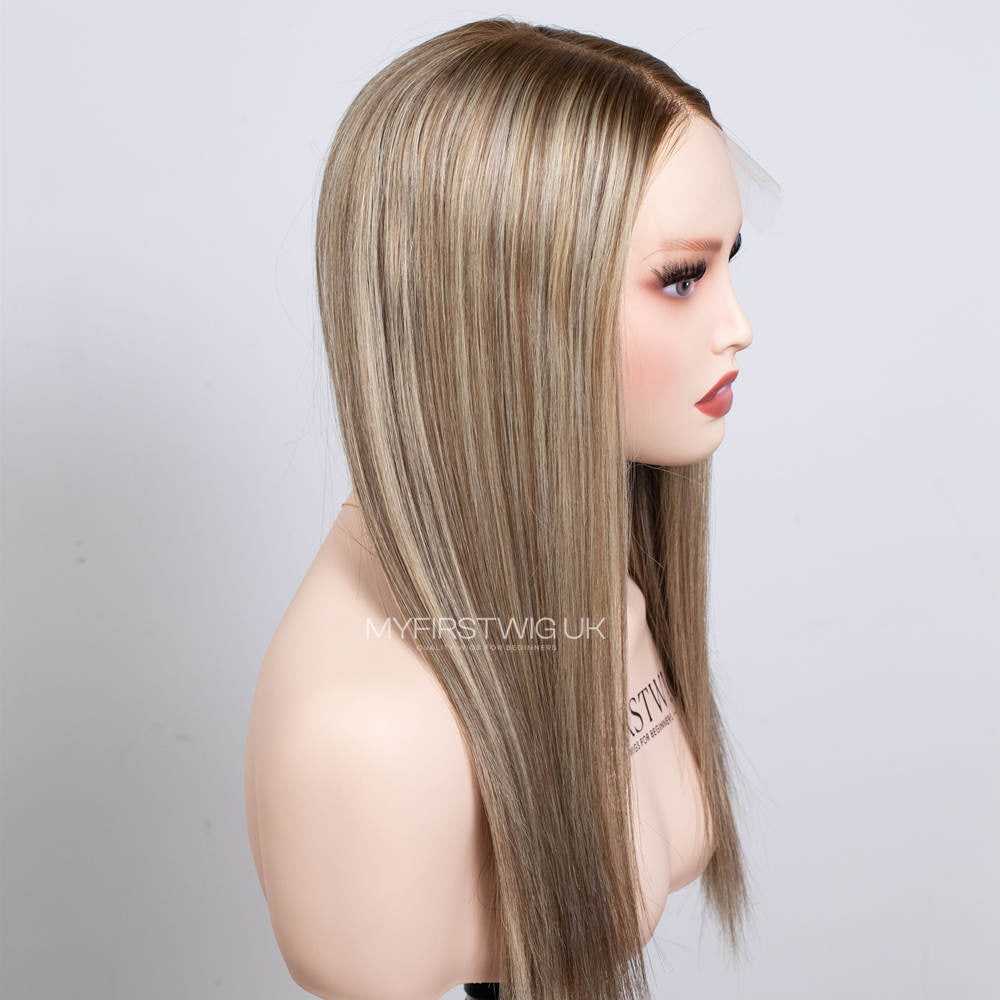
For this reason, highlighted or rooted toppers can look especially natural.
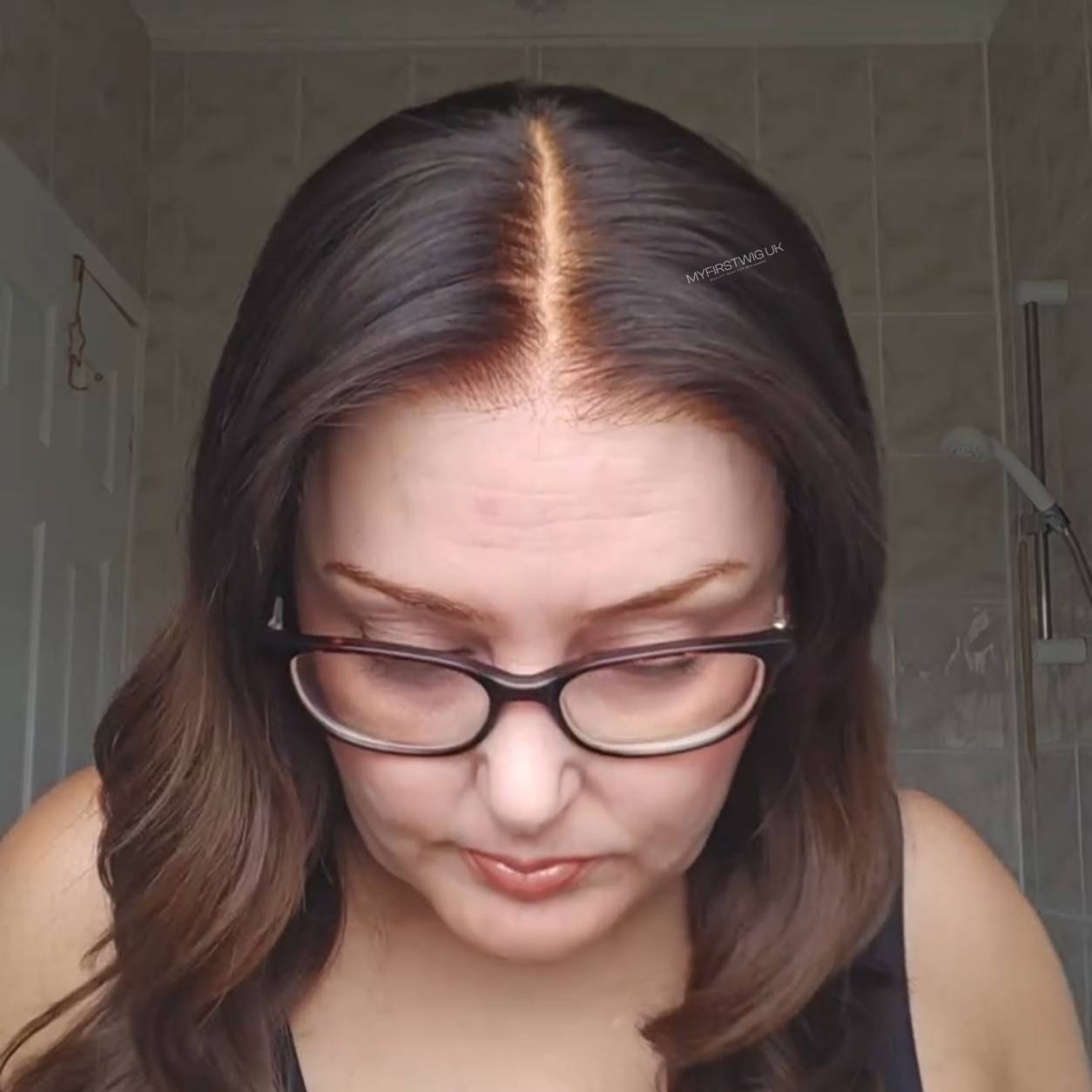
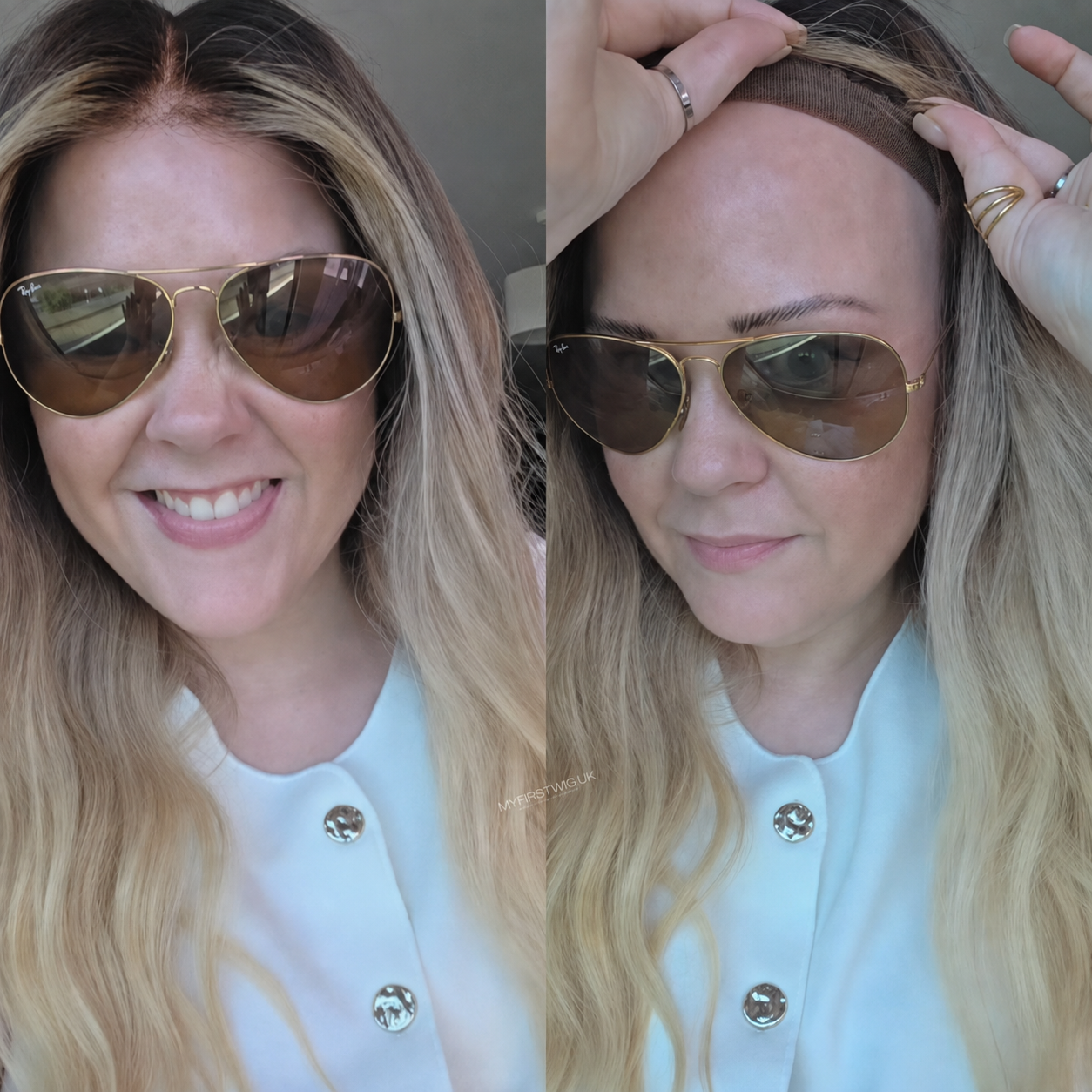
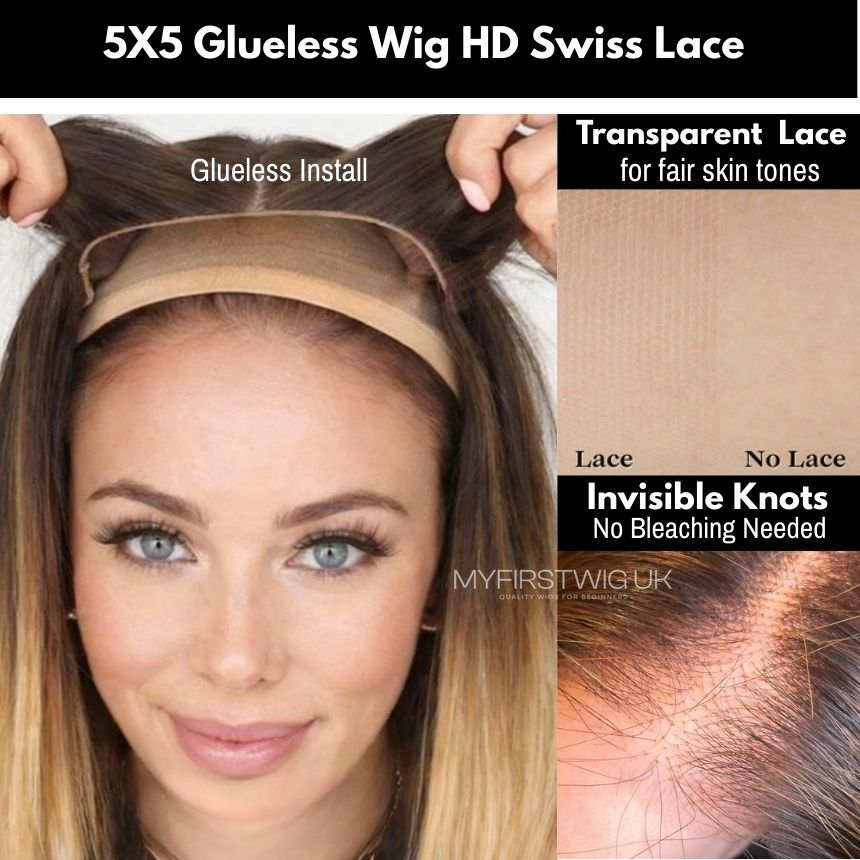
A rooted topper has a slightly darker root area, which can help it blend with natural regrowth or darker hair at the scalp. Highlighted toppers can also soften the join between your own hair and the topper.
This is especially helpful for:
-
Blonde hair with darker roots
-
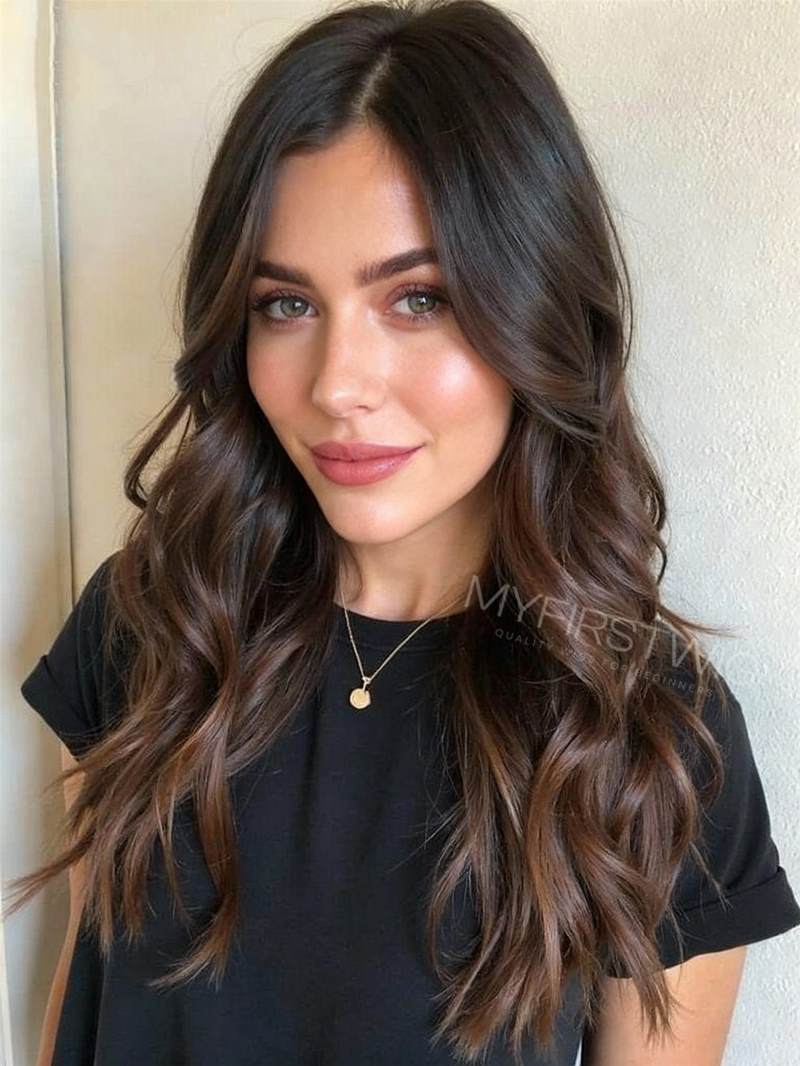
Brown hair with caramel highlights
-
Grey blending
-
Balayage-style colour
-
Naturally multi-tonal hair
5. Choose Slightly Lighter Rather Than Too Dark
If you are between two shades, a slightly lighter topper is often easier to blend than one that is too dark.
A topper that is too dark can create a visible “cap” effect on the crown. A slightly lighter or softly highlighted topper can blend more gently, especially if your own hair has natural variation.
However, this depends on your hair colour. Very dark brunette or black hair usually needs a closer match, as contrast can show more clearly.
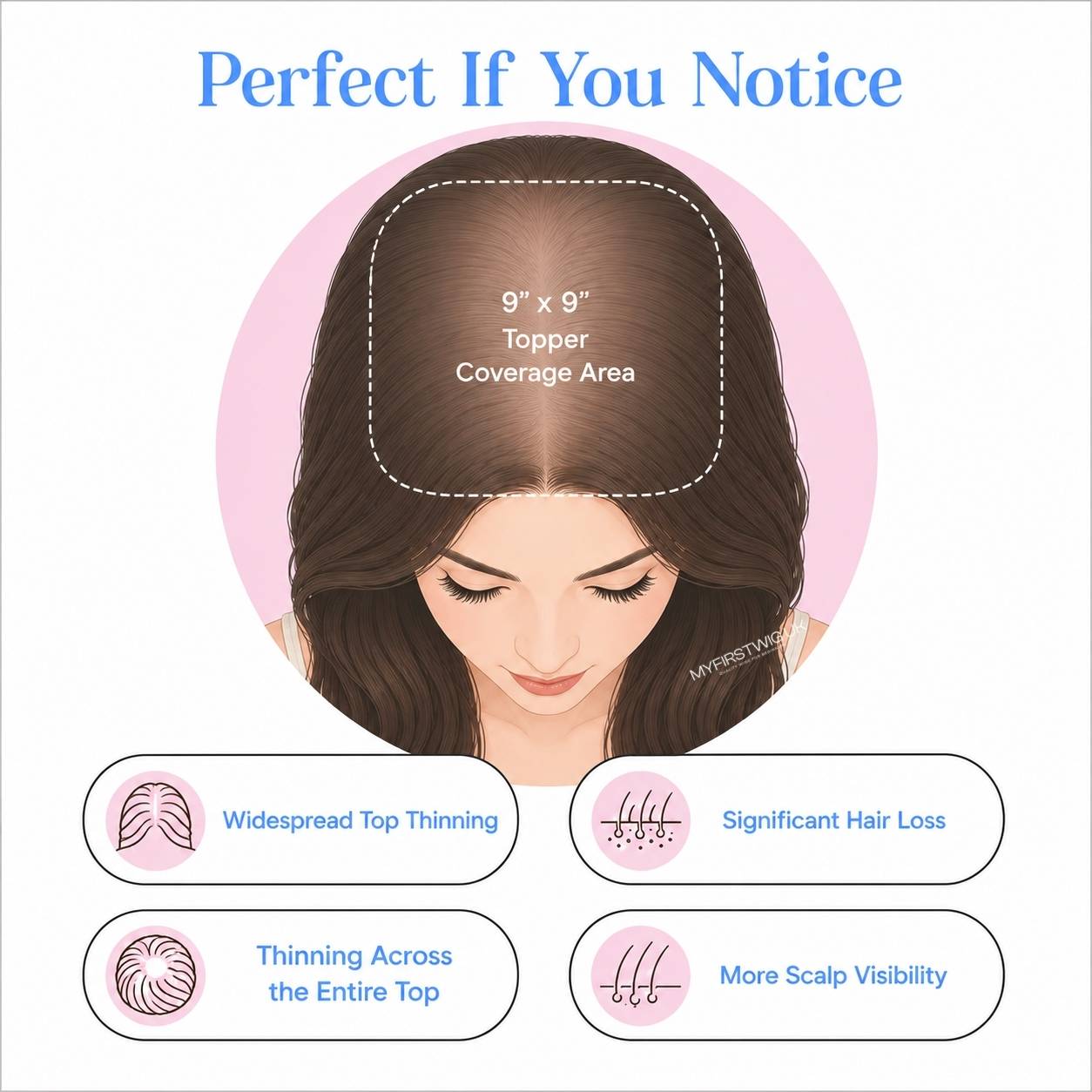
6. Think About Where Your Hair Is Thinning
The right colour can also depend on the area you want to cover.
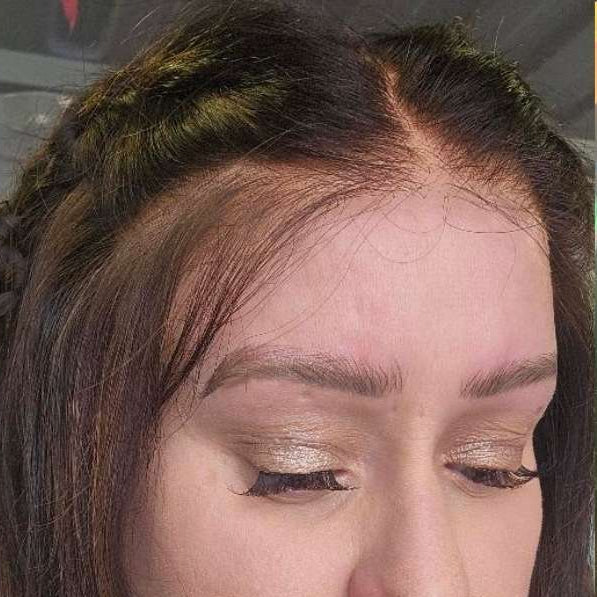
If you have thinning mainly at the crown or parting, the topper colour needs to look natural at the top of your head. If your own hair is thin but still visible around the sides, the topper must also blend into those side sections.
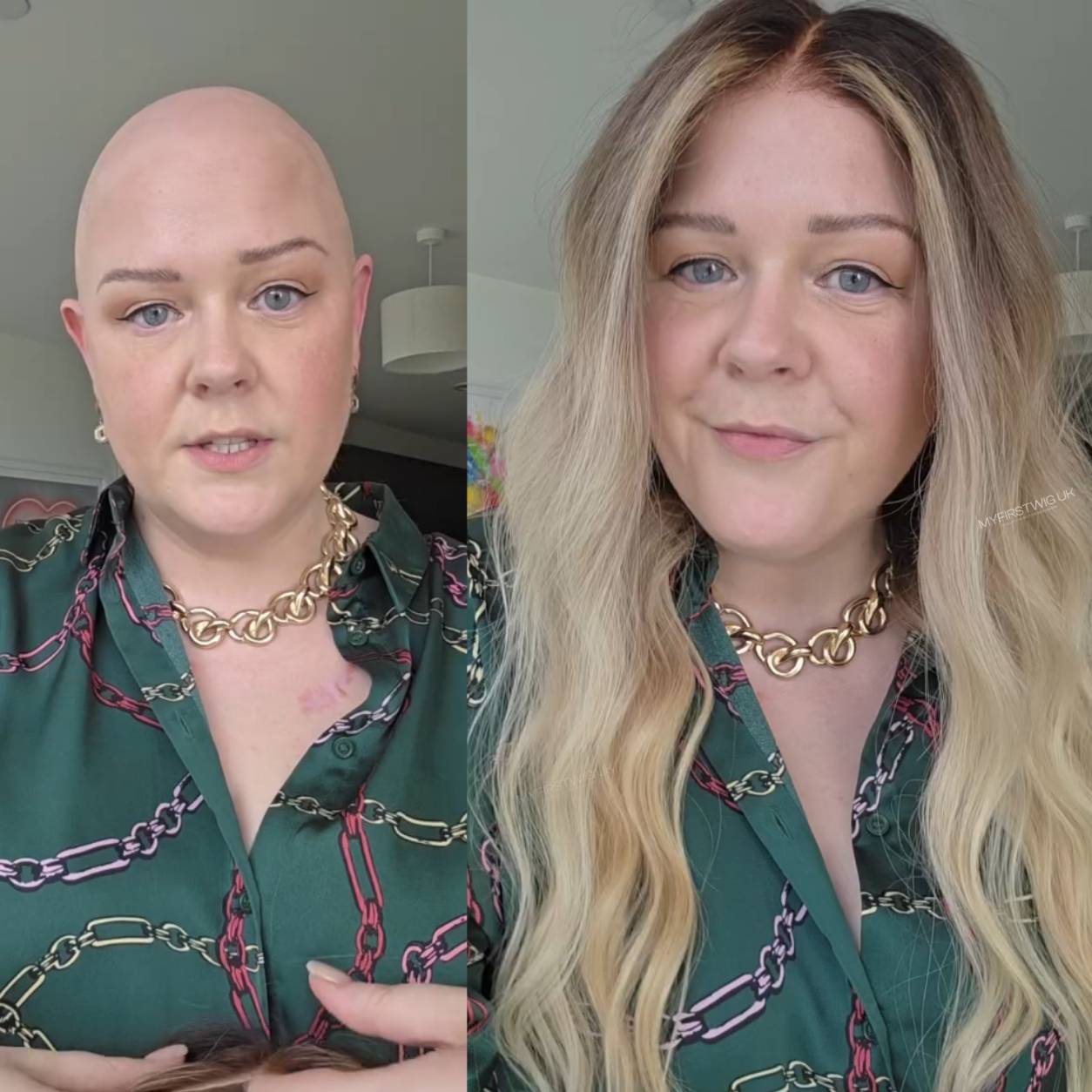
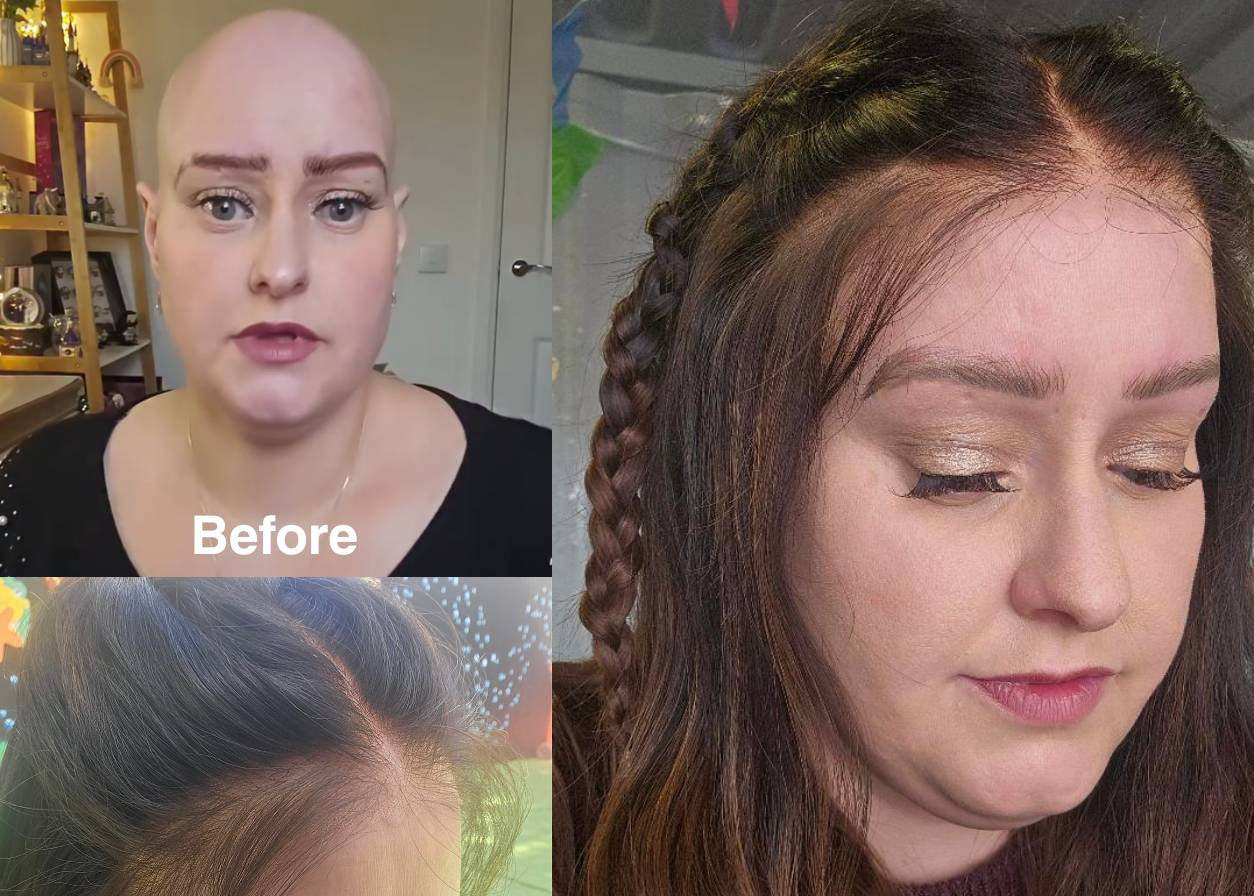
For mild to moderate thinning, a topper is usually a good option because it adds coverage while allowing your own hair to remain part of the style. For more advanced or widespread hair loss, human hair wigs for hair loss may offer fuller coverage and a more complete style solution.
7. Use Photos or Colour Support Before Buying
If you are unsure, do not rely only on a colour name. “Medium brown”, “dark blonde” or “chocolate brown” can look different from brand to brand.
A better approach is to compare clear photos or ask for colour guidance before choosing. Useful photos include:
-
Your hair in daylight
-
Your usual parting
-
The sides and back of your hair
-
The colour you want to maintain
-
Any dyed, highlighted or greying areas
This makes it easier to find a topper shade that works with your real hair, not just the colour you imagine your hair to be.
8. Remember That Human Hair Toppers Can Often Be Customised
One advantage of choosing a human hair topper is that it may be possible to have the colour adjusted by a professional stylist. For example, a stylist may be able to add a toner, soften warmth or blend highlights.
However, colour work should be done carefully. It is always best to check product guidance first and avoid strong bleaching or harsh chemical treatments that may affect the hair quality.
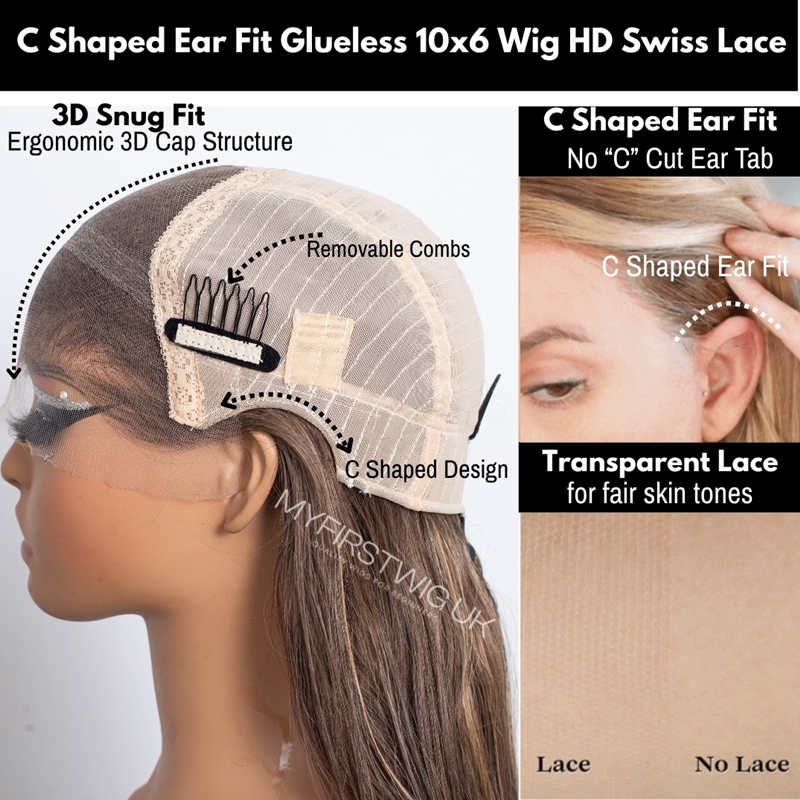
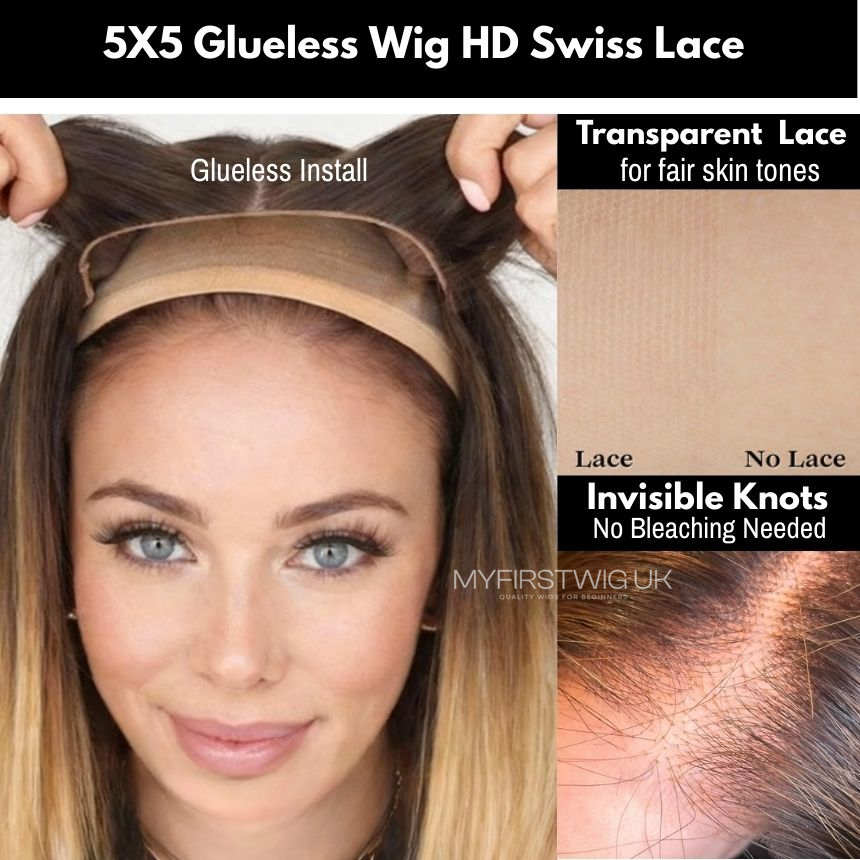
At MyFirstWig UK, our women’s hair toppers are designed for natural-looking coverage, especially for women experiencing thinning at the crown, parting or top of the head.
9. Do Not Aim for Perfection — Aim for a Natural Blend
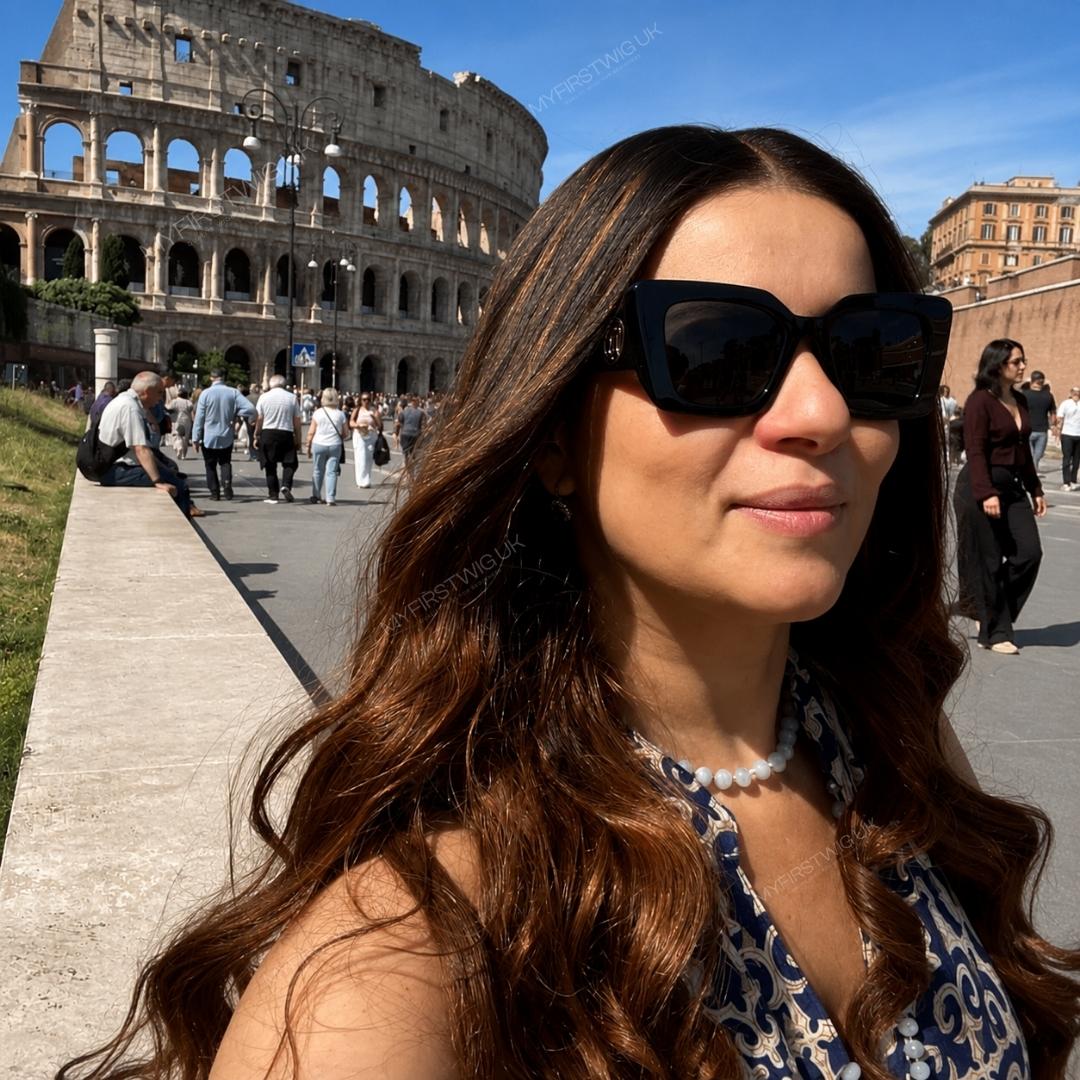
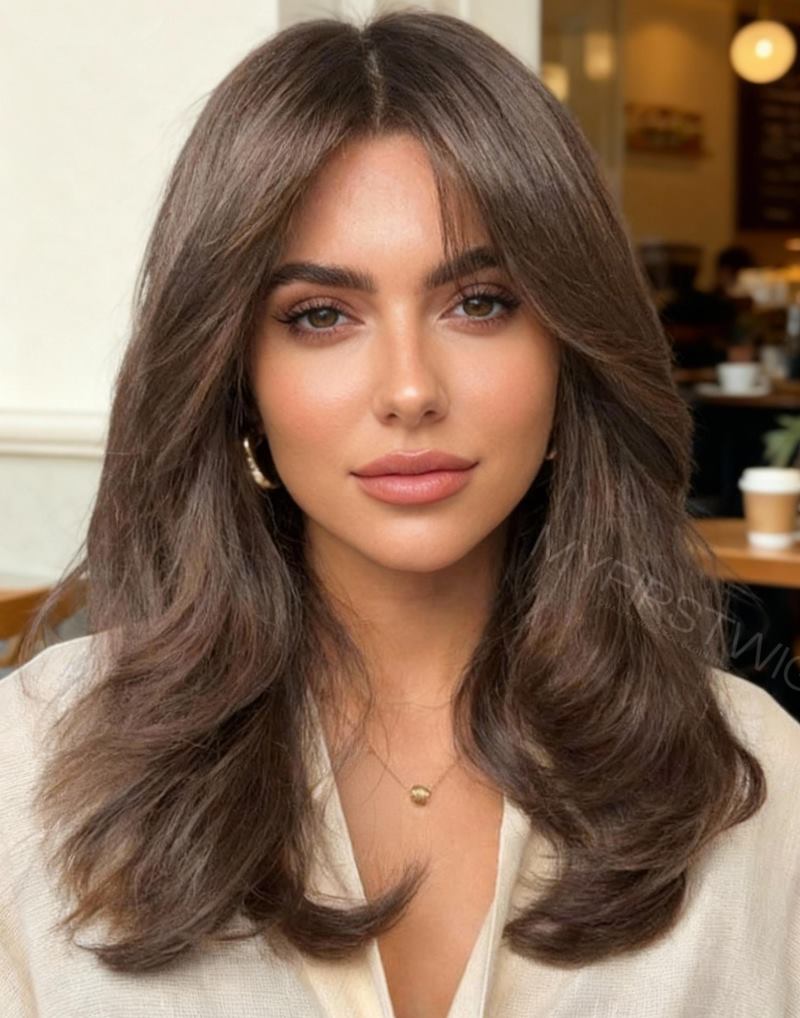
Real hair is rarely one exact colour. A topper does not need to match every strand. It needs to sit naturally with your hair, your skin tone and your everyday style.
The most natural-looking result usually comes from:
-
A close overall shade match
-
Similar undertone
-
Soft dimension
-
A realistic parting
-
A topper density that suits your own hair
-
Styling your own hair and topper together
A good colour match should make you feel more like yourself, not like you are wearing something unfamiliar.
Final Thoughts: Choosing the Right Hair Topper Colour
Learning how to pick the right colour hair topper is really about looking at your hair honestly in natural light, understanding your undertone and choosing a shade that blends with the hair people actually see.
For many women with thinning hair, a topper can be a reassuring first step because it adds coverage without needing to cover the whole head. You can browse natural-looking human hair toppers or explore more hair loss solutions at Myfirstwig UK.
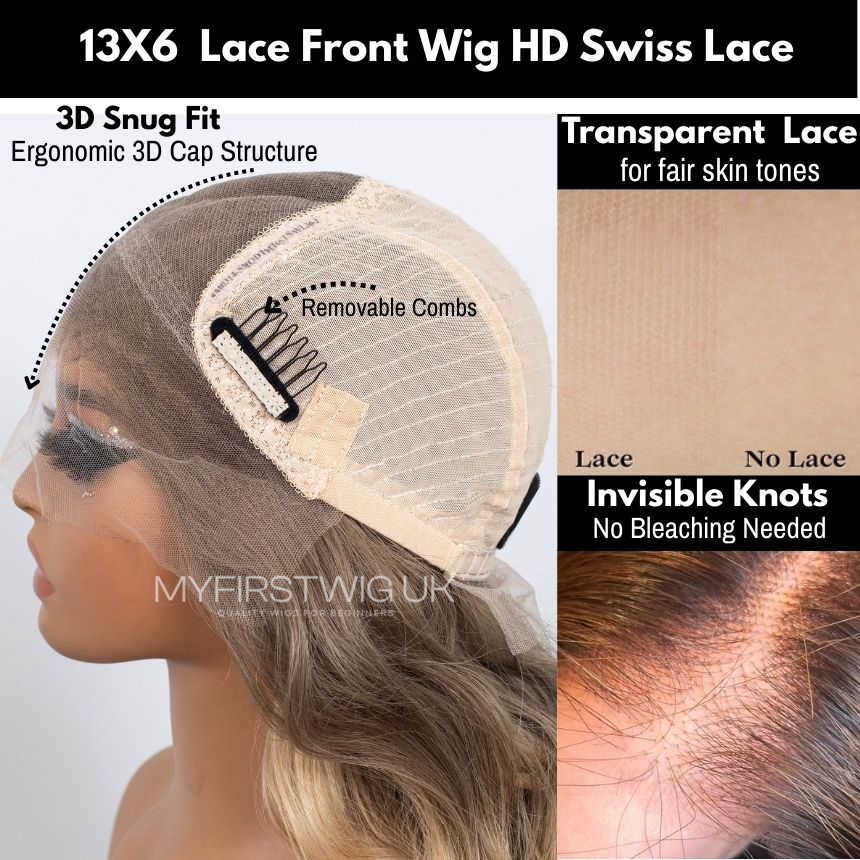
## Try Different Hair Colours Online Before You Decide

FAQ
Should my hair topper match my roots or ends?
In most cases, your topper should match your mid-lengths and ends more than your roots. This helps it blend into the visible areas of your hair.
What if my hair has highlights?
Choose a topper with similar dimension, such as soft highlights, lowlights or a rooted colour. A flat shade may look less natural against highlighted hair.
Is it better to choose a lighter or darker topper?
If you are between two close shades, slightly lighter is often easier to blend than too dark. But for very dark hair, a close match is usually more important.
Can I dye a human hair topper?
Some human hair toppers may be colour-customised by a professional stylist, but always check the product guidance first. Avoid heavy bleaching or harsh processing.
What if I cannot find an exact colour match?
Look for the closest undertone and overall shade. A softly highlighted or rooted topper can help create a more forgiving, natural blend.